OEM and ODM are often used loosely. For an activewear project, the practical difference is how much product direction the buyer already controls and how much development support is required before a sample can be made.
Exact materials, quantities, testing, timing and production routes must be confirmed against the actual style and order.
What OEM Usually Means
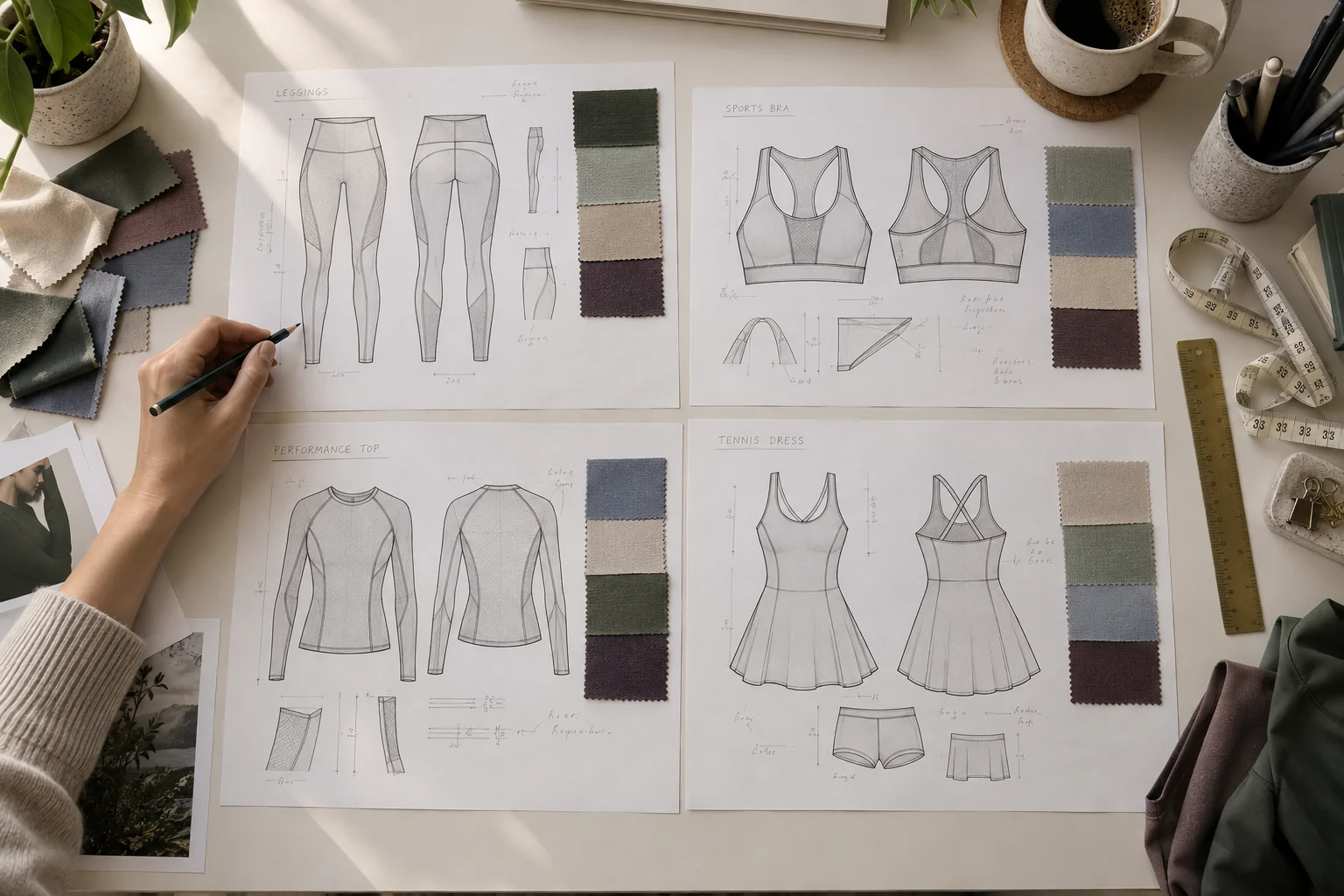
An OEM route normally starts from a buyer-controlled design, technical pack or approved reference. The manufacturer reviews feasibility, materials, construction, sampling and production against that direction.
- Buyer supplies detailed product direction
- Factory reviews manufacturability
- Sample confirms interpretation
- Bulk follows the approved reference
What ODM Usually Means
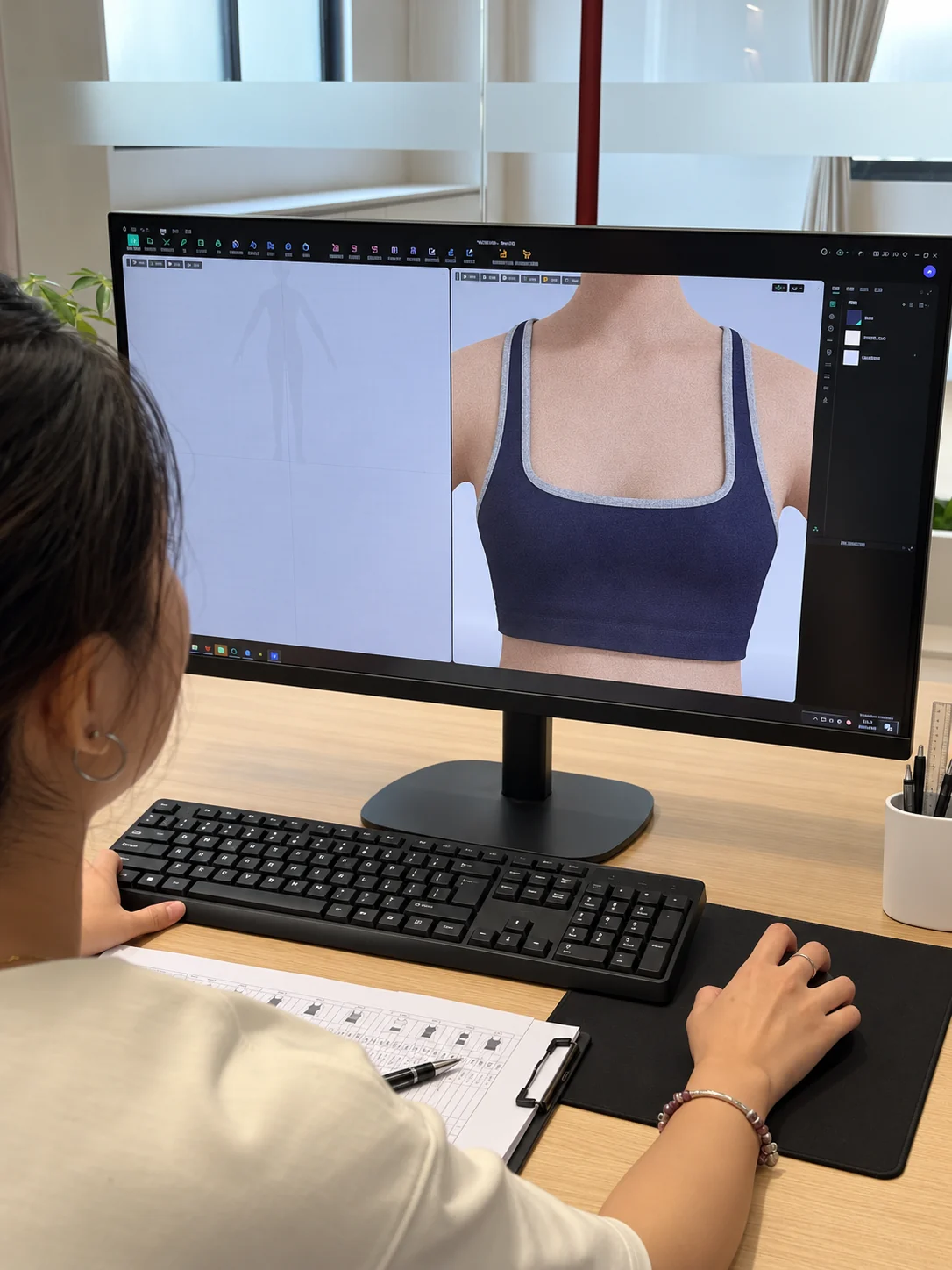
An ODM route normally begins with an existing development direction, base pattern or sample that can be adapted. The buyer still needs to confirm fit, materials, branding and commercial requirements.
- Start from an existing silhouette or development
- Adjust colour, fabric, details and branding
- Review ownership and exclusivity where relevant
- Approve a physical sample before bulk
Choose Based on Control and Readiness
OEM gives greater control when the product information is complete. ODM can shorten early development when a suitable base direction exists, but it does not remove the need for specification and approval.
- Use OEM for defined original designs
- Use ODM for adapted development routes
- Clarify pattern and artwork ownership
- Record every approved change
Information Needed for Either Route
Both routes work better when the buyer shares commercial and market requirements early, not only visual references.
- Target market and intended activity
- Quantity, colours and sizes
- Required fit and performance
- Logo, labels, packaging and timing
Prepare the Next Conversation
Collect the product references, quantities, target market, timing and customization requirements that are already known. Mark flexible items clearly, then ask the supplier to identify missing decisions before sampling or quotation.