PRIVATE-LABEL ACTIVEWEAR WORKFLOW
From Product Brief to Final Shipment.
A clear custom process keeps product, commercial and production decisions connected. MIQI coordinates each stage through defined inputs, samples, approvals and handoff records for B2B activewear projects.
START WITHIdea, reference sample or tech pack
CONTROL WITHDefined approvals and project records
FINISH WITHAgreed packing and shipment handoff
01 / BRIEFDefine the DirectionClarify product, buyer, quantity, timing and commercial needs.
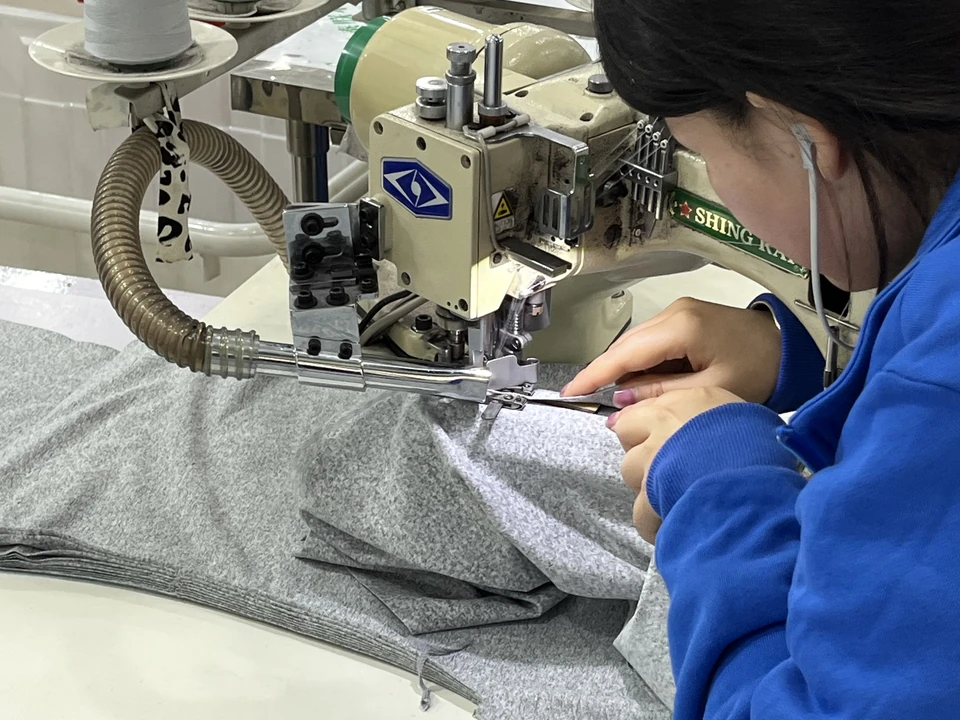
02 / DEVELOPBuild the SampleCoordinate style, fabric, construction, colour and branding.
03 / APPROVELock the ReferenceReview fit, workmanship, appearance and requested revisions.
04 / DELIVERProduce, Check & PackCarry the approved direction through bulk and handoff.
FLEXIBLE ENTRY POINTS
One Process, Adapted to the Information You Have.
Some buyers arrive with a complete technical package; others begin with a reference garment or collection idea. The first step is to identify what is confirmed, what is missing and which decisions must be made before sampling.
THE CUSTOM PROCESS
Six Connected Stages From Brief to Shipment.
Timing and deliverables depend on product complexity, material availability, revisions and order scope. Each stage has a clear decision before the next begins.
Project Brief
Review product use, target market, references, quantity, price direction and launch timing.
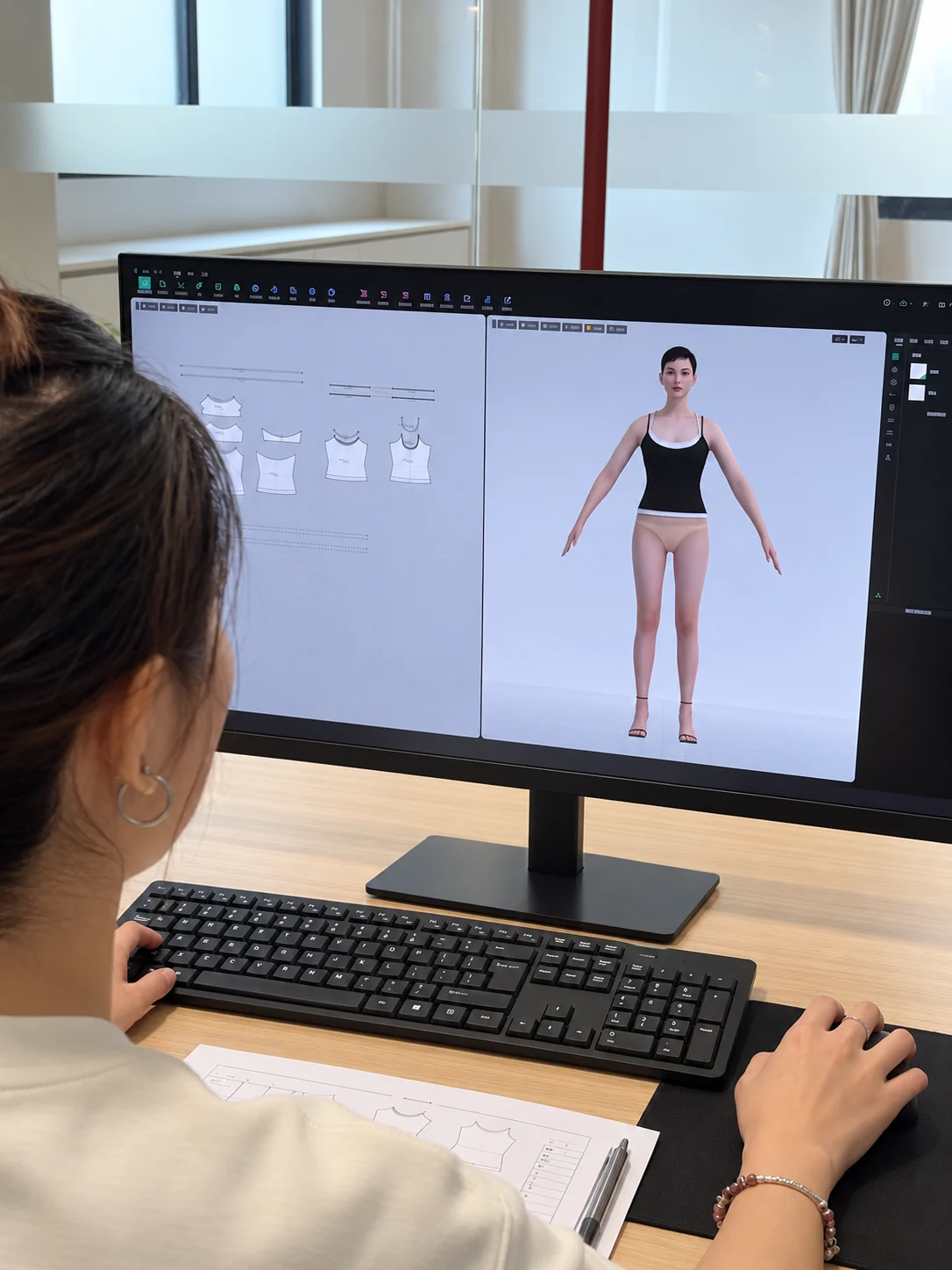
Material & Technical Direction
Confirm fabric route, construction, measurements, colour, branding and packaging needs.
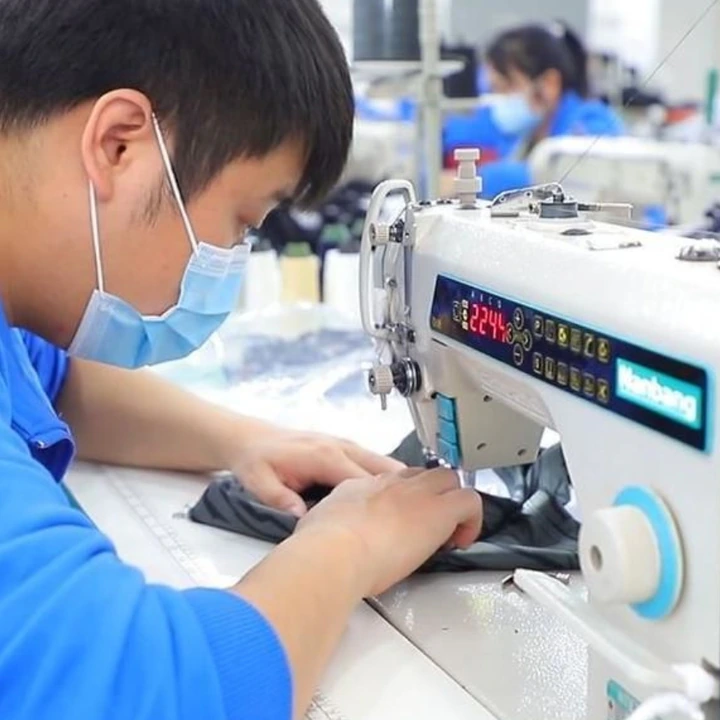
Sample Development
Prepare the first physical sample according to the agreed development direction.
Review & Approval
Check fit, measurements, workmanship and appearance; record revisions and approval.
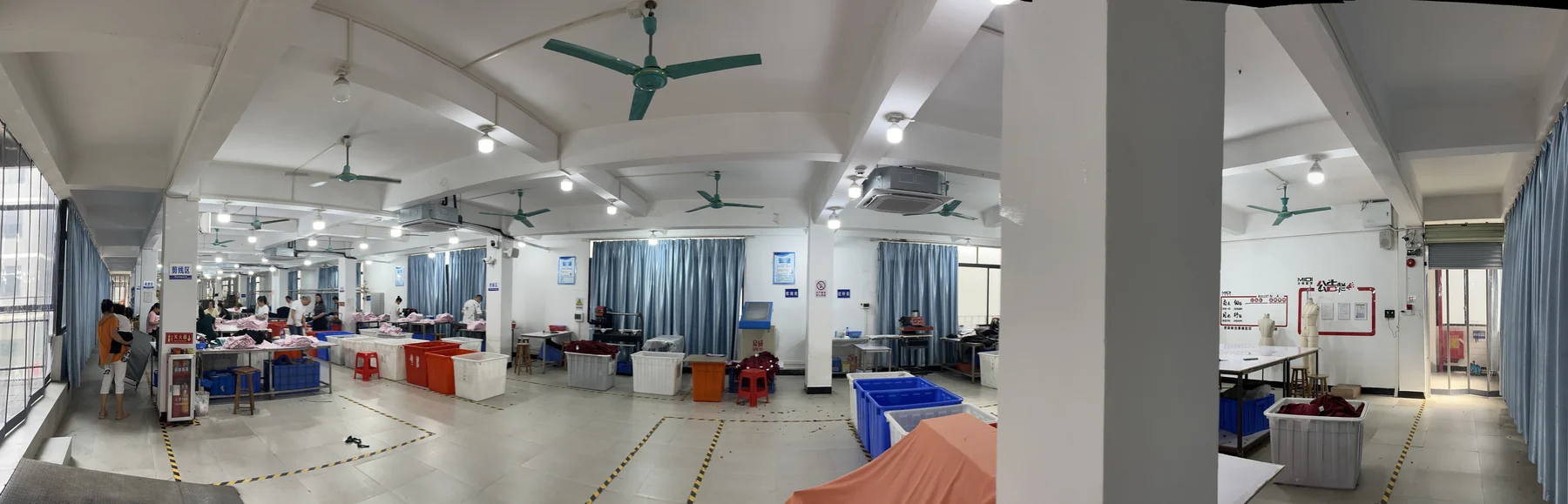
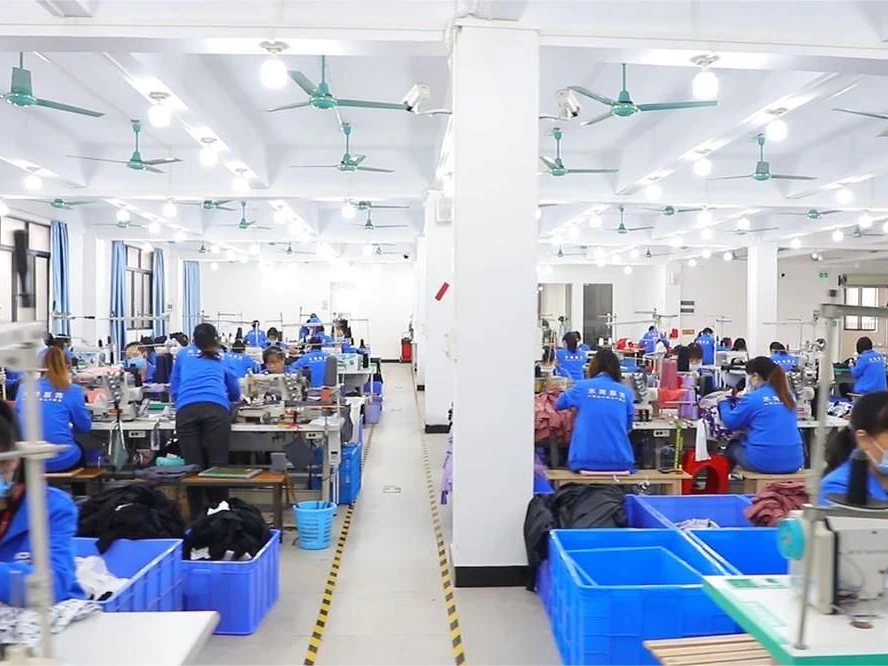
Bulk Production & Quality
Plan production around the accepted reference and agreed in-process checkpoints.
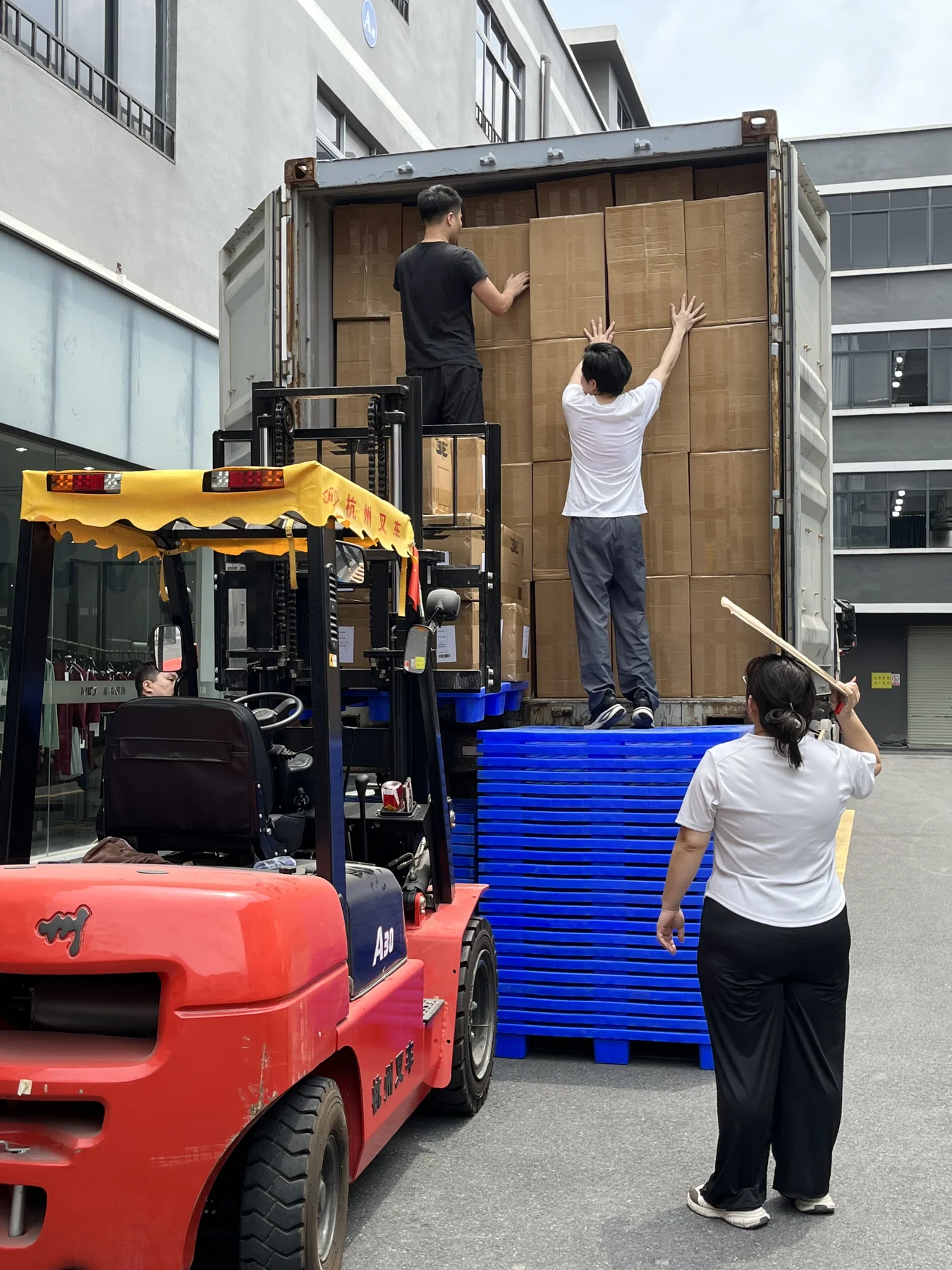
Packing & Shipment
Confirm assortment, labels, packaging, carton details and the final shipping handoff.
APPROVAL CHECKPOINTS
Know What Must Be Confirmed at Each Handoff.
Approval records reduce ambiguity. They do not replace buyer review, but they give the buyer and production teams a shared reference for moving forward.
01
Commercial AlignmentQuantity, colour count, size range, price direction and timing are reviewed.
02
Material ApprovalFabric, colour and key trims are confirmed against the intended product.
03
Sample ApprovalMeasurements, fit, construction, workmanship and appearance are recorded.
04
Bulk ReferenceThe accepted sample and specifications guide the production handoff.
05
Packing & Shipment ApprovalFinal packing, assortment, carton marks and required documents are confirmed.
WHAT TO SHARE FIRST
A Useful Brief Can Be Simple.
Clear priorities are more valuable than a long document. Share what is known, identify what remains flexible and include any fixed market or timing requirements.
Yoga, training, tennis or lifestyle use; target customer and positioning.
Sketch, mood board, reference garment, measurements or tech pack.
Estimated quantity, colours, sizes, price direction and required timing.
Logo, labels, trims, packaging, carton and destination requirements.
A TRACEABLE PROJECT ROUTE
What Keeps the Process Connected.
The exact documents vary by project. These core references help buyers understand what has been reviewed and what controls the next stage.
Confirmed Brief
Product and commercial priorities organized into a practical development route.
Material References
Selected fabric, colour and trim direction connected to the product.
Approved Sample
A reviewed physical reference with accepted comments and revisions.
Production Handoff
Relevant order, quality, packing and shipment requirements carried forward.
AFTER-SALES & ORDER FOLLOW-UP
Support Continues After the Shipment Leaves.
If a quality or order issue is reported, the team connects the concern with the approved sample, order records and production information before agreeing the next action.
Share affected quantities, photos, carton or batch references and a clear description of the concern.
Compare the report with approved samples, specifications, inspection records and packing requirements.
The team investigates and aims to propose a suitable response route within one week of receiving sufficient information.
Confirmed findings and corrective actions can be recorded for repeat orders and future production checkpoints.
CUSTOM PROCESS FAQ
Questions Buyers Ask Before Starting.
Final feasibility, price, MOQ and timing are confirmed after the actual brief and order structure are reviewed.
Can we start without a complete tech pack?
Yes. A clear idea, reference garment, sketch or mood board can be used to begin. The first review identifies the measurements, construction, materials and commercial details still needed for sampling.
When are MOQ and pricing confirmed?
They are confirmed after the style, fabric, colour count, customization requirements, size range and estimated quantity are sufficiently clear. This keeps the quotation relevant to the actual B2B order.
How long does sampling and production take?
Timing depends on product complexity, material availability, the number of revisions, component lead times and order size. A realistic schedule is prepared after the scope is reviewed.
Can we arrange a third-party inspection?
Third-party inspection requirements can be discussed before order confirmation so the inspection stage, scope and coordination responsibilities are clear.
START THE PROCESS
Share the Direction You Have Today.
Send your product idea, reference sample or tech pack together with the target market, estimated quantity and timing. We can review the practical first step.