CUSTOM ACTIVEWEAR STYLE DEVELOPMENT
Turn Your Idea or Tech Pack Into a Production-Ready Style.
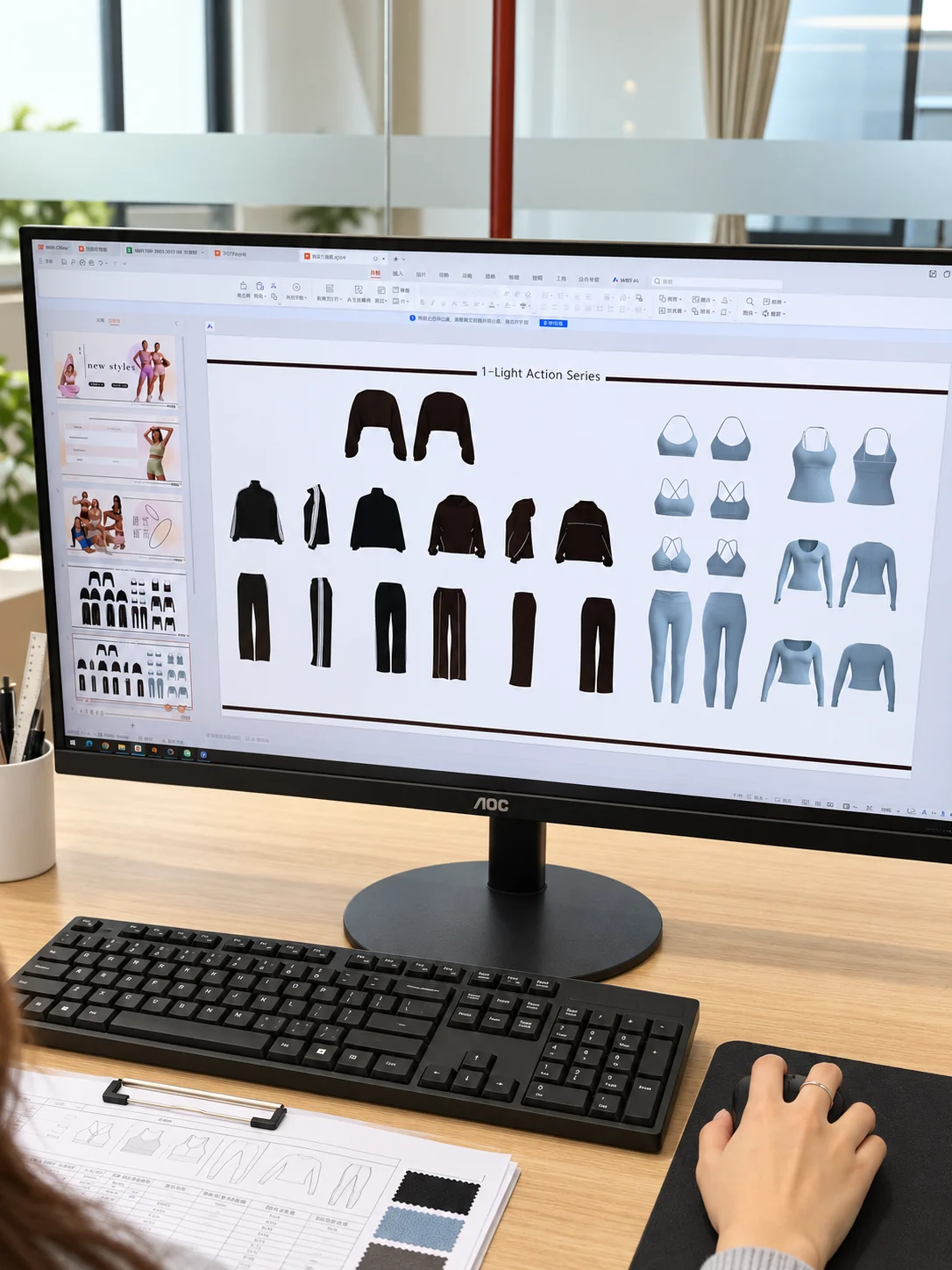
MIQI supports activewear brands with style definition, technical review, fabric direction, sample development and approval records—so the product is clear before bulk production begins.
START WITHIdea, reference sample or tech pack
BUILT FORPrivate-label activewear collections
CONFIRM BYSample review before bulk order
01 / DIRECTIONDefine the ProductUse, customer, silhouette and commercial position.
02 / TECHNICALClarify ConstructionMeasurements, seams, support and finish details.
03 / SAMPLEReview the First PieceFit, workmanship, appearance and revision notes.
04 / HANDOFFPrepare for ProductionApproved direction and project records for bulk.
START WITH WHAT YOU HAVE
A Clear Starting Point for Every Brand Stage.
You do not need the same level of documentation for every project. We can review the materials already available, identify the missing decisions and organize a practical route toward the first sample.
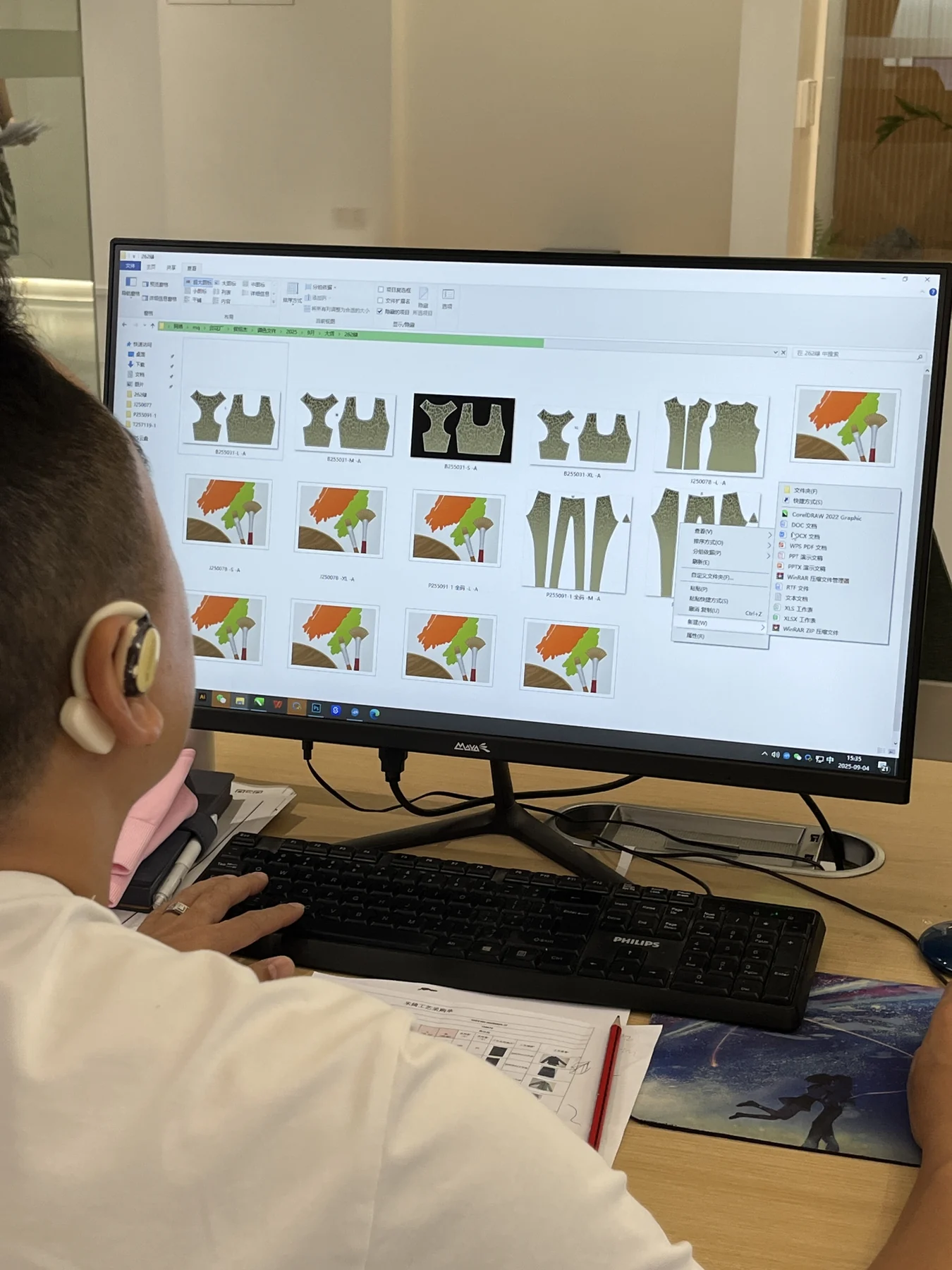
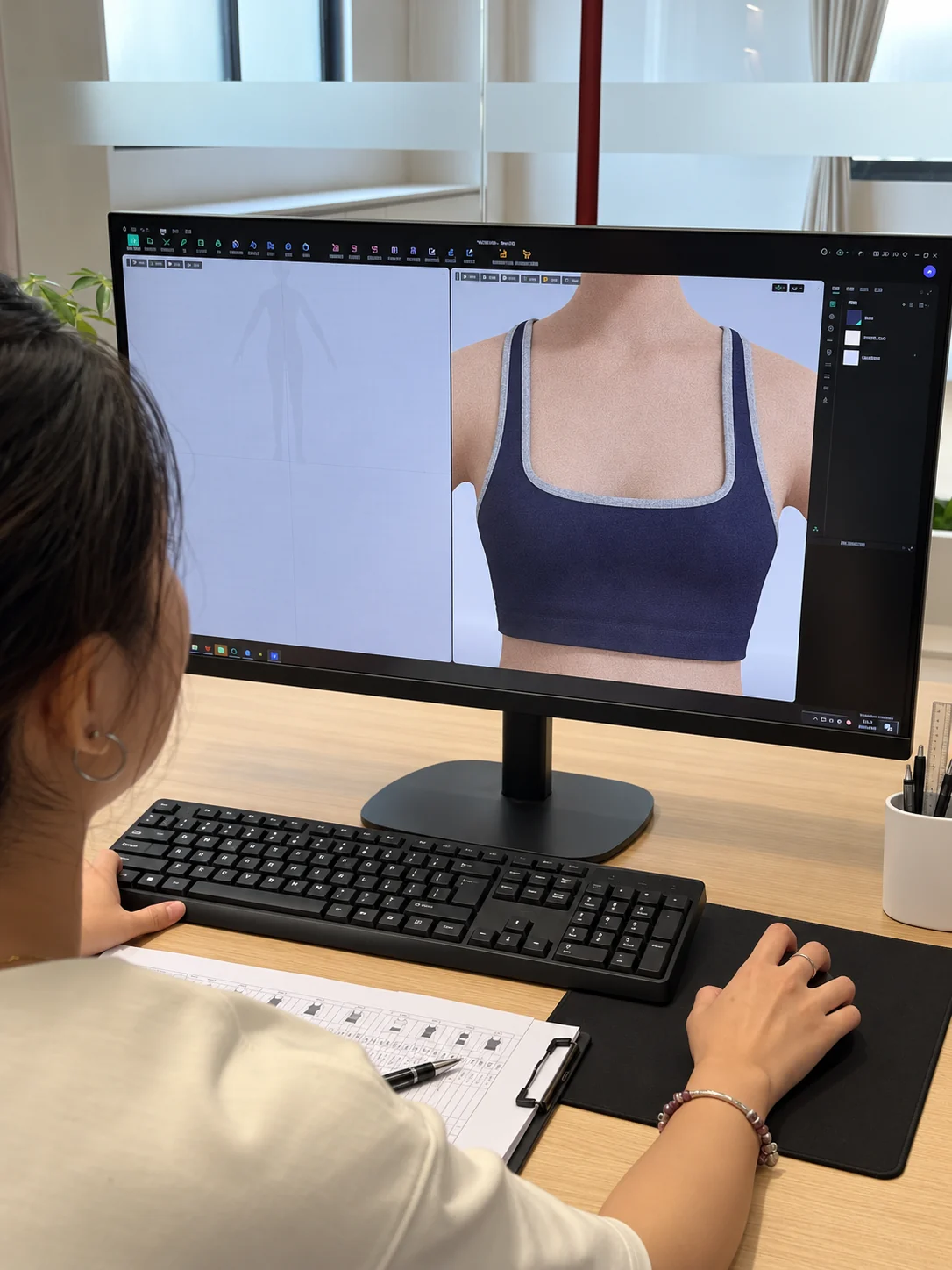
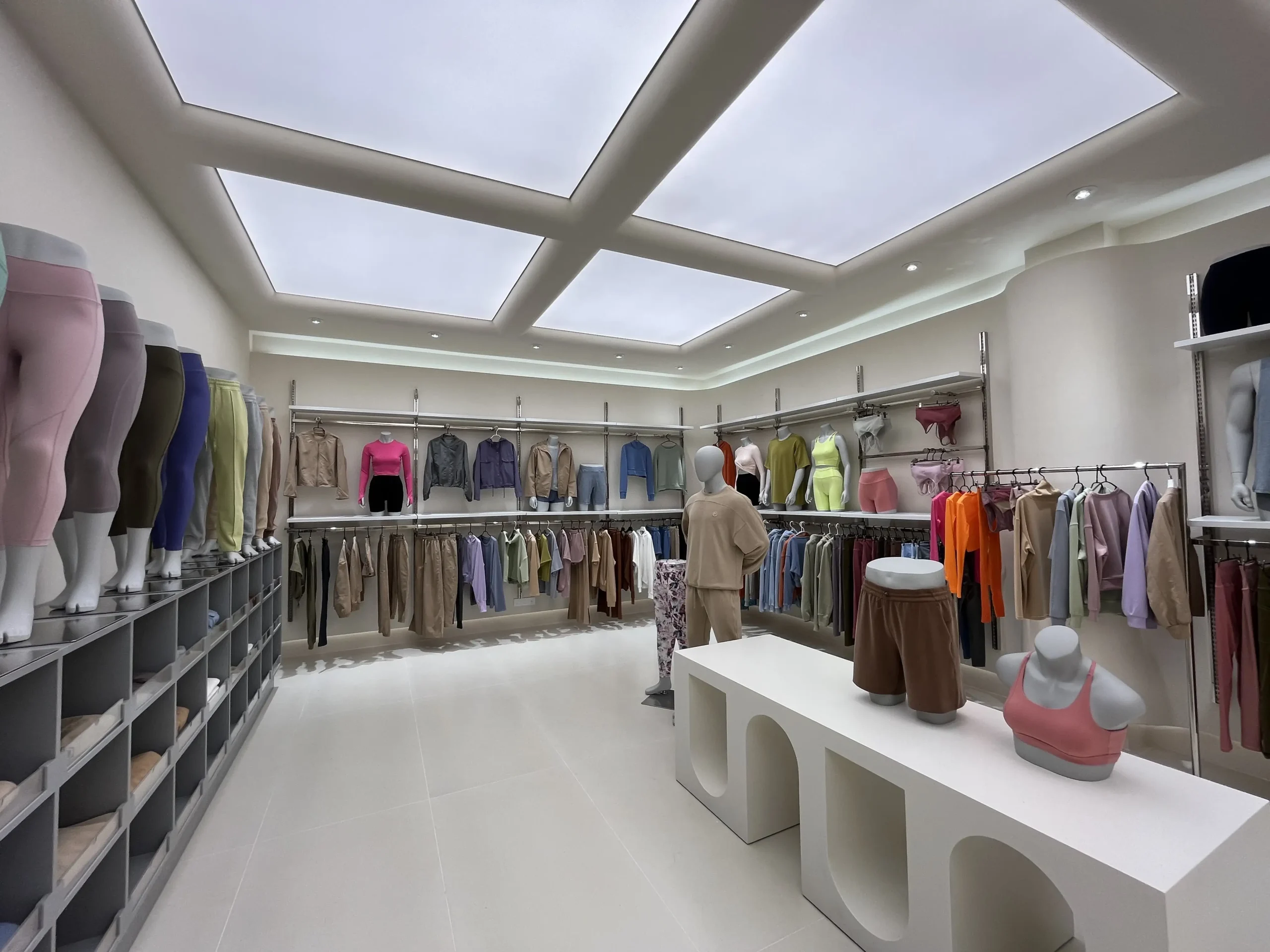
REPRESENTATIVE STYLE DIRECTIONS
Different Silhouettes, One Reviewable Development Method.
A collection can include very different products, but every style still needs its silhouette, construction, fabric and commercial direction to be reviewed before sampling.
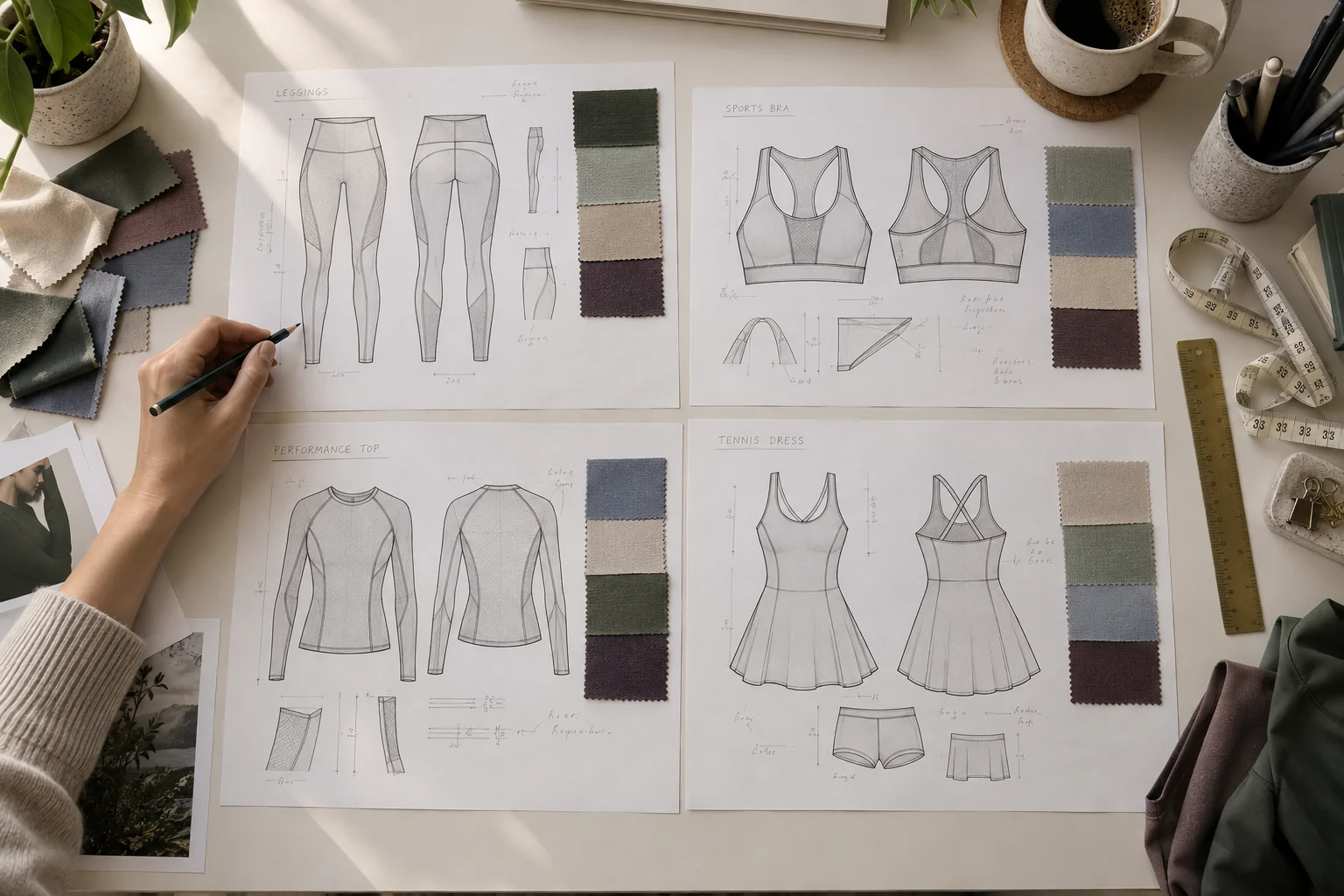
01 / LEGGINGSFit & Panel DirectionWaist height, seam placement, compression and pocket options.
02 / SPORTS BRASupport ArchitectureNeckline, straps, underband, lining and coverage priorities.
03 / PERFORMANCE TOPMovement & LayeringSleeve shape, body length, panel lines and stretch construction.
04 / TENNIS DRESSIntegrated Product SystemBodice, skirt movement, inner shorts and storage details.
DEVELOPMENT SCOPE
Decisions That Make a Style Ready to Sample.
The exact scope depends on the project brief. These are the core areas buyers commonly confirm before approving a private-label activewear sample.
Silhouette & Product Architecture
Define garment type, intended use, coverage, support, key panels and the overall product direction.
Fabric & Trim Direction
Review hand feel, stretch, recovery, weight, opacity, elastic, lining and other functional components.
Construction & Fit
Clarify measurements, seam placement, waistband or strap construction, finishing and fit priorities.
Colour & Branding
Coordinate colour references, logo application, labels, trims and artwork placement for the brand.
Specification Review
Organize confirmed measurements and technical notes so sample comments remain clear and traceable.
Commercial Alignment
Consider quantity, target price, colour count, size range and timing before locking the development route.
FROM BRIEF TO APPROVED SAMPLE
A Development Path With Clear Checkpoints.
Each checkpoint reduces ambiguity before the next stage. Timing is confirmed after the product scope, material availability and sample requirements are understood.
01
Share the Project BriefProduct use, target market, quantities, price direction and reference materials.
02
Confirm Style DirectionReview silhouette, fabric route, construction, colour and private-label requirements.
03
Develop the First SamplePrepare the prototype according to the confirmed development direction.
04
Review & ReviseCheck measurements, fit, workmanship and appearance; record requested revisions.
05
Approve for Bulk PlanningLock the accepted sample direction and reconfirm commercial and production details.
SAMPLE CONSTRUCTION DETAILS
Construction Choices Buyers Can Review Before Approval.
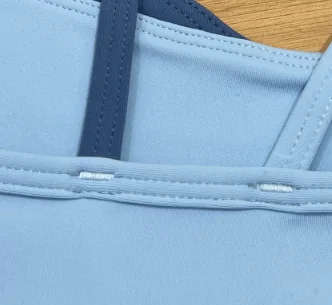
The right seam and reinforcement route depends on the garment, fabric, stretch, support and intended use. These real examples show representative details that can be discussed during sample development; not every method applies to every style.
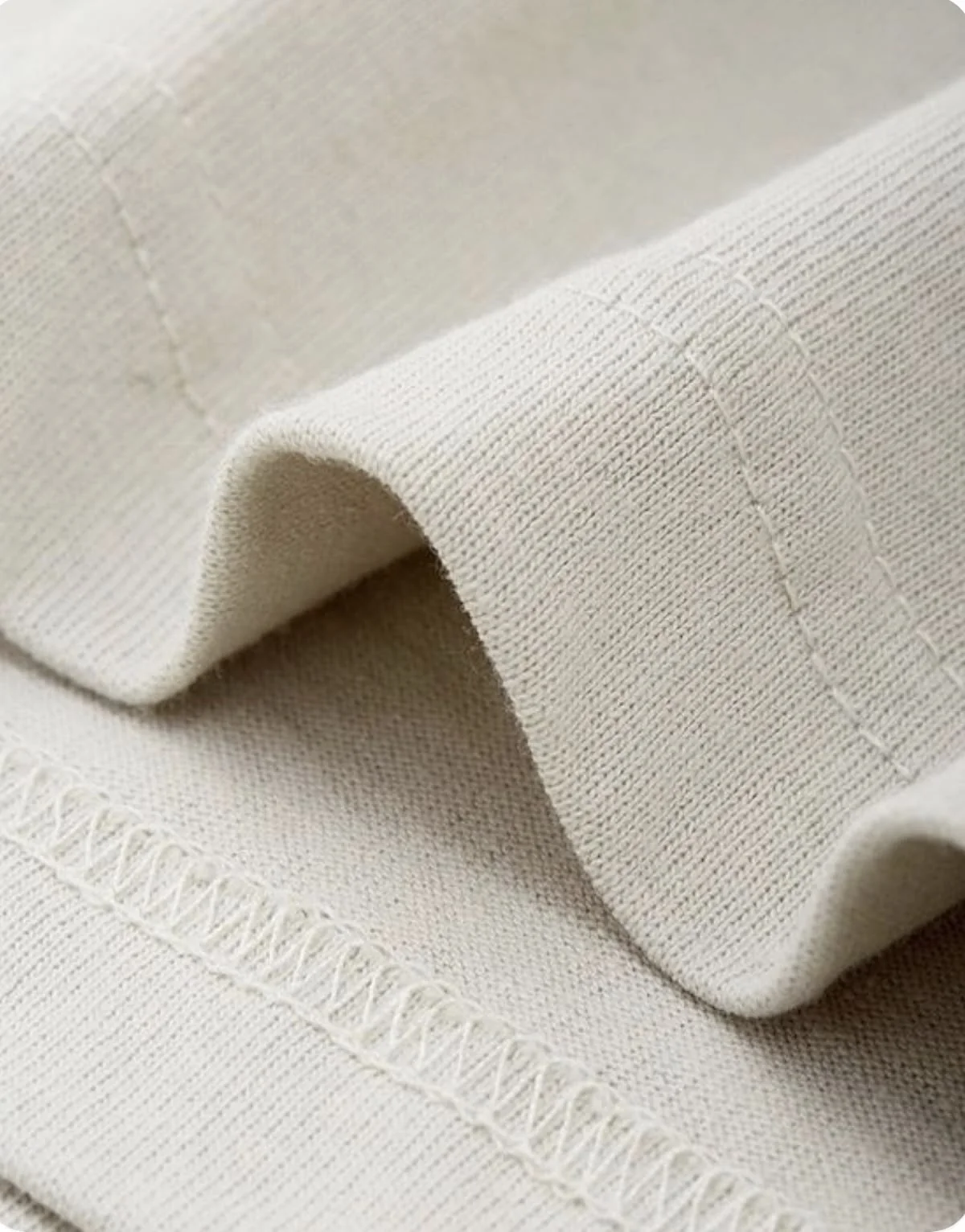
01 / REINFORCEMENT
Bar-Tack Stitching
Review reinforcement at selected stress points such as strap joins, pocket openings or other load-bearing details where relevant.
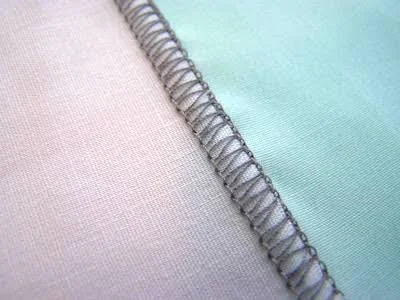
02 / FINISHING
Cover Stitching
Assess hem appearance and stretch-friendly finishing for suitable activewear edges and garment openings.
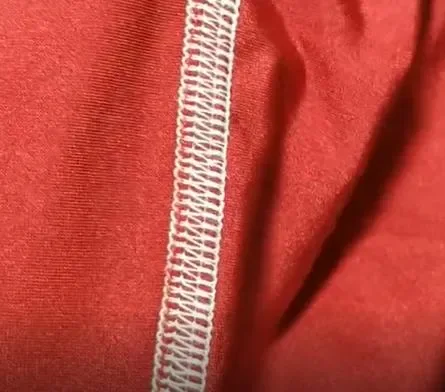
03 / COMFORT
Flatlock Stitching
Consider a flatter seam route where reduced bulk, comfort and a technical activewear appearance are priorities.
04 / STRETCH SEAM
Four-Needle Six-Thread
Review multi-needle stretch construction for selected performance panels and details when the product route requires it.
WHAT TO SHARE
Useful Information for a Faster Review.
The brief can be simple at the beginning. Clear commercial priorities help the team recommend a suitable development route and identify missing decisions early.
Yoga, training, tennis, lifestyle or another intended use; target customer and market position.
Sketches, mood boards, reference garments, photos or an existing technical pack.
Estimated quantity, colour count, size range, target price direction and launch timing.
Logo method, labels, trims, packaging and any market-specific documentation needs.
PROJECT OUTPUTS
What the Development Work Creates.
Deliverables depend on the agreed service scope, but the goal remains the same: give both buyer and production teams a shared, reviewable product direction.
Defined Product Direction
A clearer silhouette, intended use, construction route and priority features for the style.
Material Direction
Selected fabric and trim route aligned with performance, appearance and commercial needs.
Reviewed Sample
A physical sample assessed for measurements, fit, workmanship and visual direction.
Approval Record
Confirmed comments and project references that support the transition toward bulk planning.
STYLE DEVELOPMENT FAQ
Questions Buyers Ask Before Starting.
Final feasibility, cost and timing are confirmed against the actual product brief and order basis.
Can we start without a complete tech pack?
Yes. A reference garment, sketch, mood board or clear product brief can be used as a starting point. The team first identifies the technical and commercial decisions still required before sampling.
Can you work from our existing tech pack?
Yes. Existing specifications can be reviewed for measurements, construction, material direction and unclear points. Any recommended changes should be confirmed before the first sample is developed.
How many sample revisions are included?
The number of revisions depends on the agreed development scope and the complexity of the style. The revision route, cost basis and expected timing should be confirmed before development begins.
How should sample comments and revisions be recorded?
Buyer comments should be consolidated by sample version and linked to clear measurements, construction details, photos or marked-up references. Confirmed changes then provide a shared record for the next sample or production handoff.
When are MOQ, price and lead time confirmed?
They are confirmed after the style, fabric, colour count, customization requirements and order quantity are sufficiently clear. This avoids presenting a retail-style fixed price that may not match the actual B2B project.
START YOUR DEVELOPMENT BRIEF
Share the Direction You Have Today.
Send your product idea, reference garment or tech pack together with the target market, estimated quantity and timing. We can then review the practical next step.