MOQ is not a single factory number that applies to every style. It is shaped by the smallest practical quantities for fabric, dyeing, trims, production setup, branding and packing. A clear brief allows the supplier to explain the actual constraint.
Exact materials, quantities, testing, timing and production routes must be confirmed against the actual style and order.
What Usually Drives MOQ
The same garment can have a different MOQ when the fabric, colour count or customization route changes.
- Custom-dyed versus available fabric
- Number of colours and size allocation
- Special trims, cups, zippers or elastic
- Logo and packaging setup requirements
Style MOQ and Colour MOQ
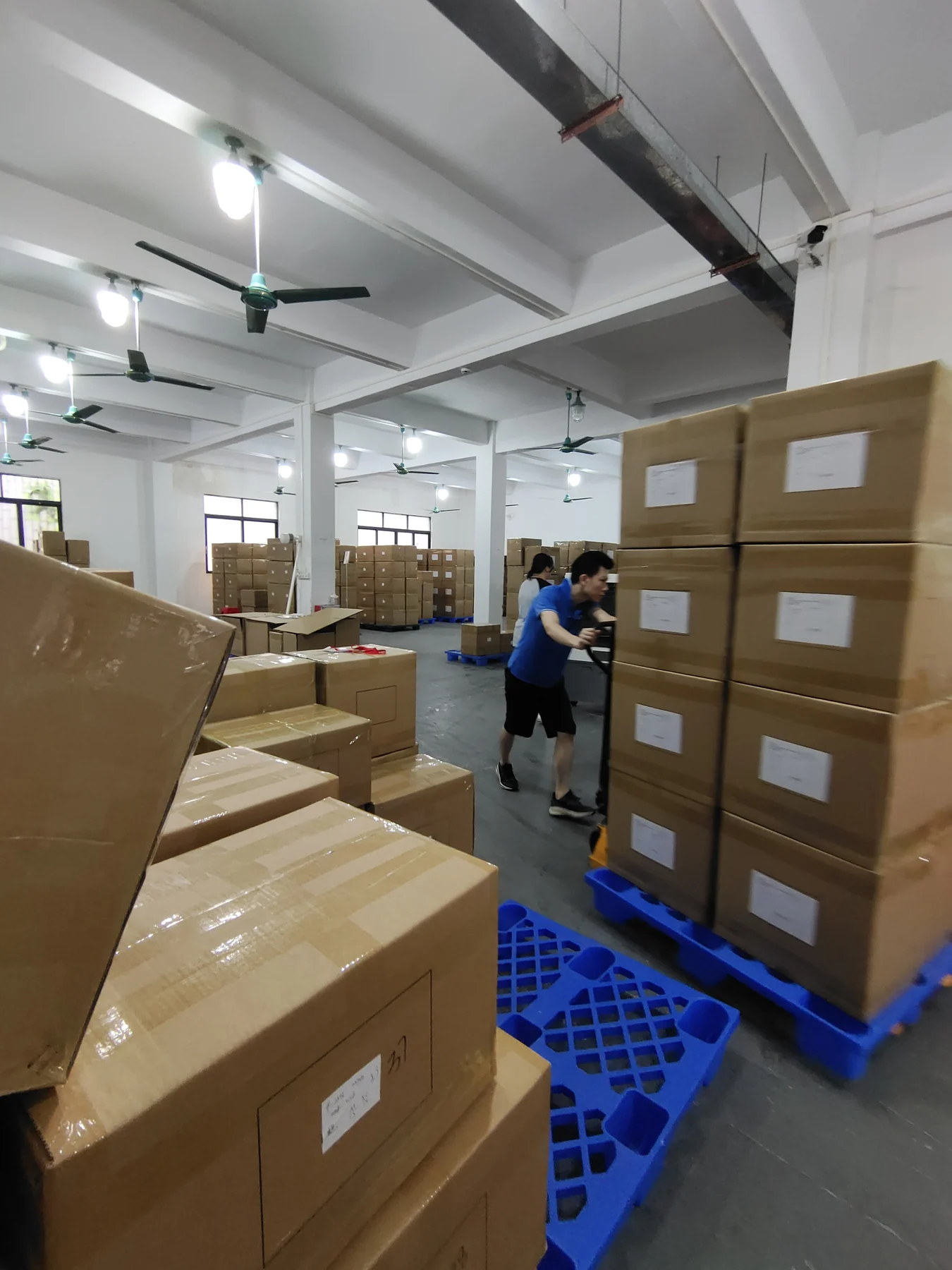
Ask whether the quoted minimum applies per style, per colour or to the total order. A total quantity may still require a minimum allocation for every colour because each colour creates a separate material and production setup.
- Confirm the minimum per colour
- Confirm how many sizes may share the quantity
- Check whether related styles can share materials
- Separate sample MOQ from bulk MOQ
How to Reduce Complexity
Lower complexity often creates a more practical starting order than simply negotiating the number down.
- Use available fabric and colours
- Limit the first launch to fewer colourways
- Share trims across related styles
- Use standard packing before adding complex sets
Questions to Ask
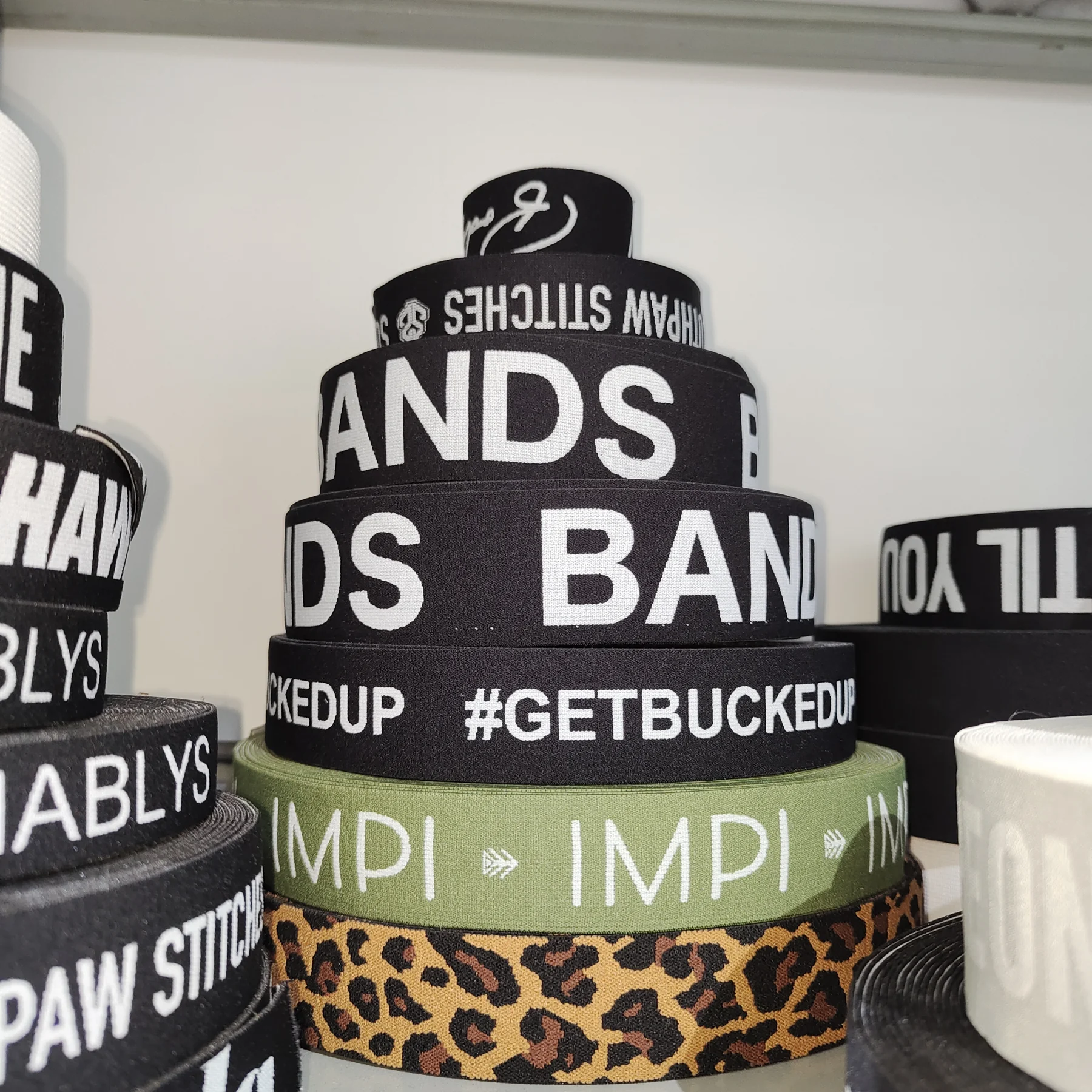
Request a breakdown of the actual reason behind the minimum so you can change the right variable.
- Which component sets the MOQ?
- Can colours or sizes be combined?
- Does a custom colour change the minimum?
- What changes for repeat orders?
Prepare the Next Conversation
Collect the product references, quantities, target market, timing and customization requirements that are already known. Mark flexible items clearly, then ask the supplier to identify missing decisions before sampling or quotation.