A sample timeline begins before sewing. The supplier must first review the brief, identify missing information, confirm a material route and prepare the correct pattern and construction. Every unresolved decision can create another round.
Exact materials, quantities, testing, timing and production routes must be confirmed against the actual style and order.
Stage 1: Brief and Feasibility
The initial review aligns product use, drawings, measurements, materials, branding and commercial assumptions.
- Identify missing specifications
- Confirm what is fixed or flexible
- Select the development material route
- Agree the sample purpose
Stage 2: Pattern and First Sample
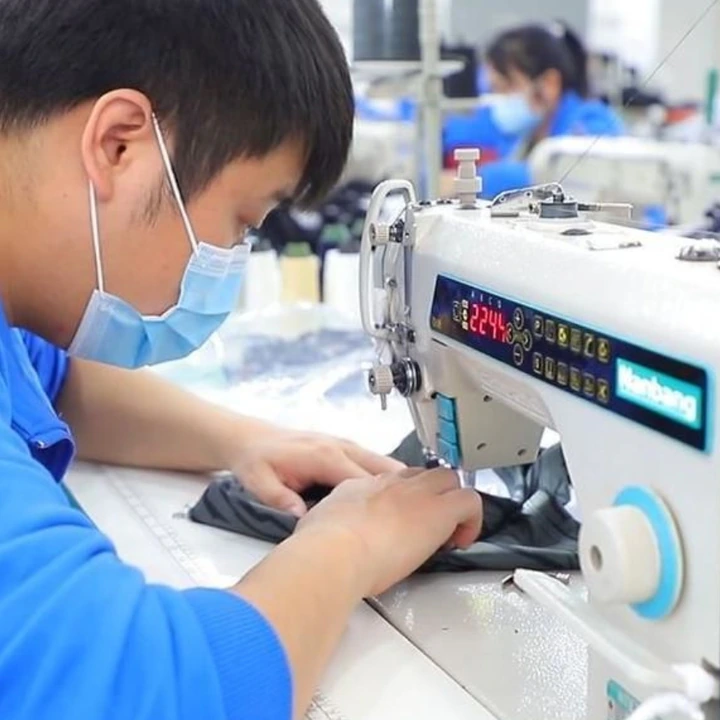
Pattern work, cutting and sewing depend on product complexity and available references. The first sample should answer defined questions rather than attempt to finalize every variable at once.
- Fit and proportion
- Construction method
- Fabric behaviour
- Branding position
Stage 3: Review and Revision
Comments should refer to a specific sample version and use measurable instructions where possible.
- Separate fit from workmanship comments
- Record measurement changes
- Attach marked photographs
- Identify who approves the next version
Stage 4: Approval and Handoff
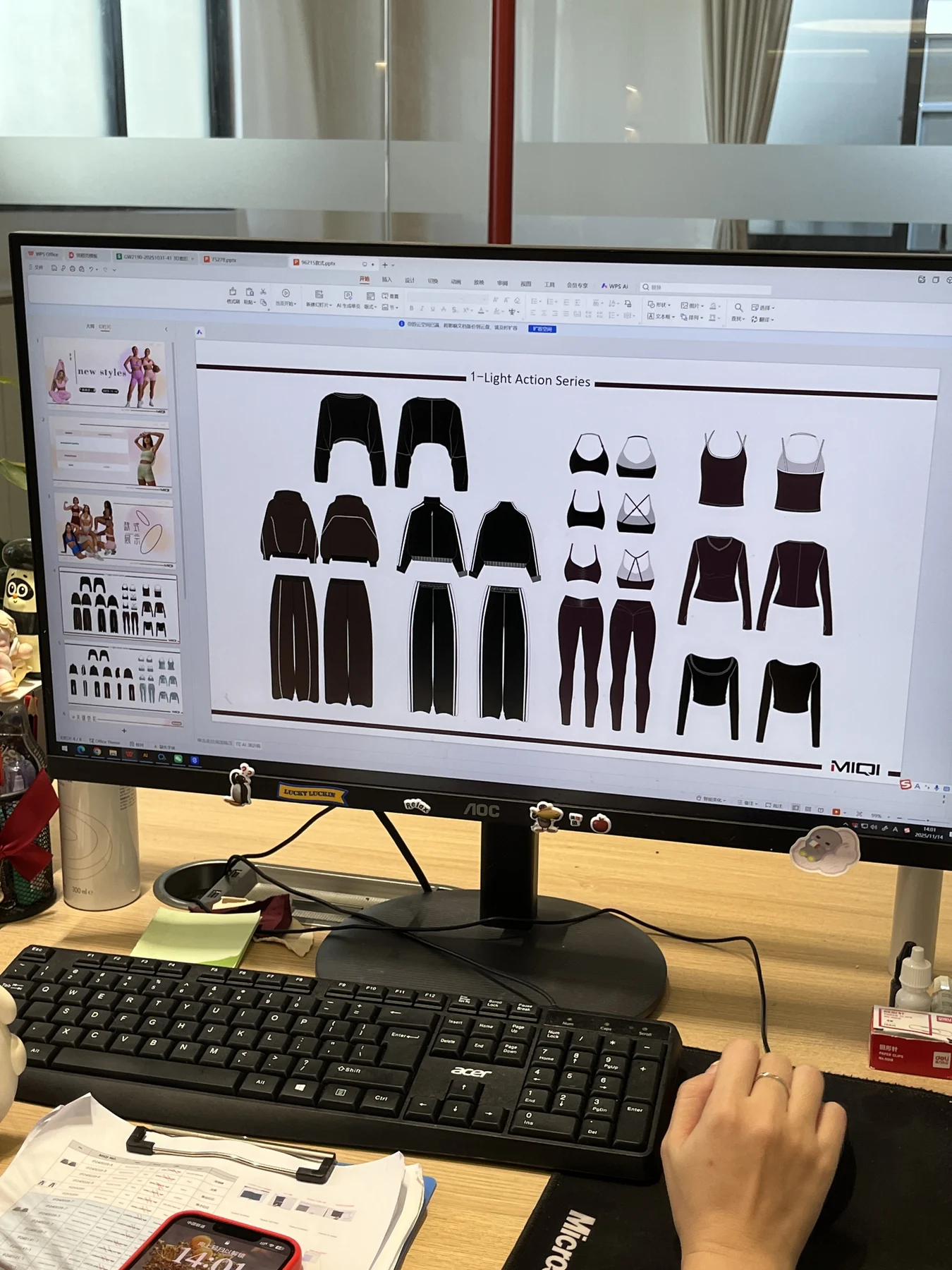
A final sample approval should connect with the specification, material, colour, artwork and packaging requirements used for bulk preparation.
- Dated approval record
- Accepted sample or reference
- Open commercial conditions
- Bulk and quality handoff points
Prepare the Next Conversation
Collect the product references, quantities, target market, timing and customization requirements that are already known. Mark flexible items clearly, then ask the supplier to identify missing decisions before sampling or quotation.