A fabric name alone does not describe how leggings will perform. Selection should connect fibre composition and construction with stretch, recovery, opacity, surface, moisture behaviour, fit and the intended activity.
Exact materials, quantities, testing, timing and production routes must be confirmed against the actual style and order.
Define the Intended Use
Studio yoga, high-intensity training and lifestyle leggings place different demands on compression, breathability, abrasion and hand feel.
- Activity and movement range
- Target compression and coverage
- Climate and season
- Price and positioning
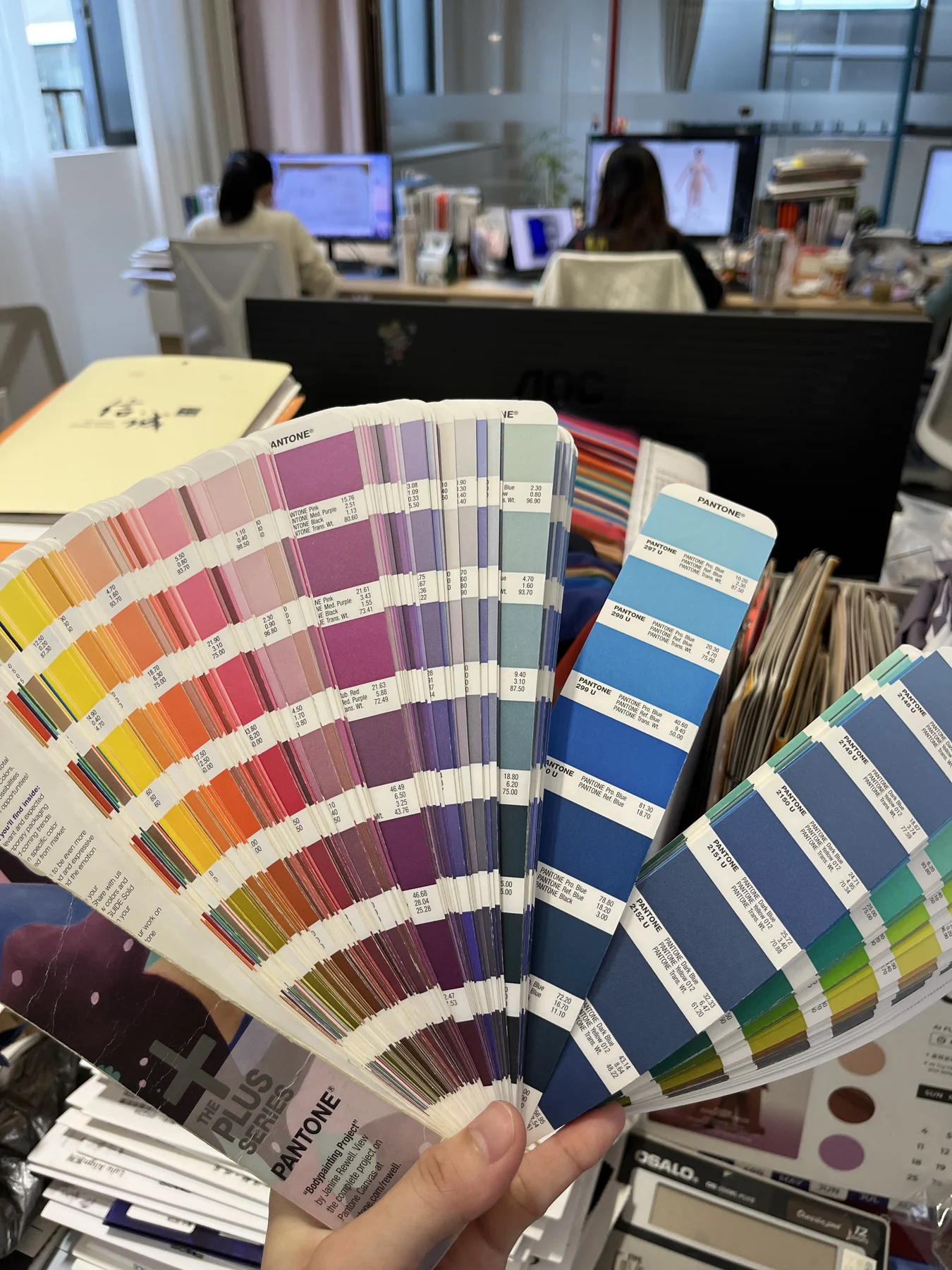
Review the Key Properties
Ask for measurable fabric information and evaluate a physical swatch or sample under realistic stretch.
- Composition and fabric weight
- Two-way or four-way stretch
- Recovery after repeated extension
- Opacity, pilling and colourfastness
Connect Fabric With Pattern
Changing fabric can change fit because stretch and recovery affect how the same pattern sits on the body. A substitute fabric may require another fit review.
- Waistband stability
- Seat and thigh recovery
- Seam behaviour
- Finished garment measurements
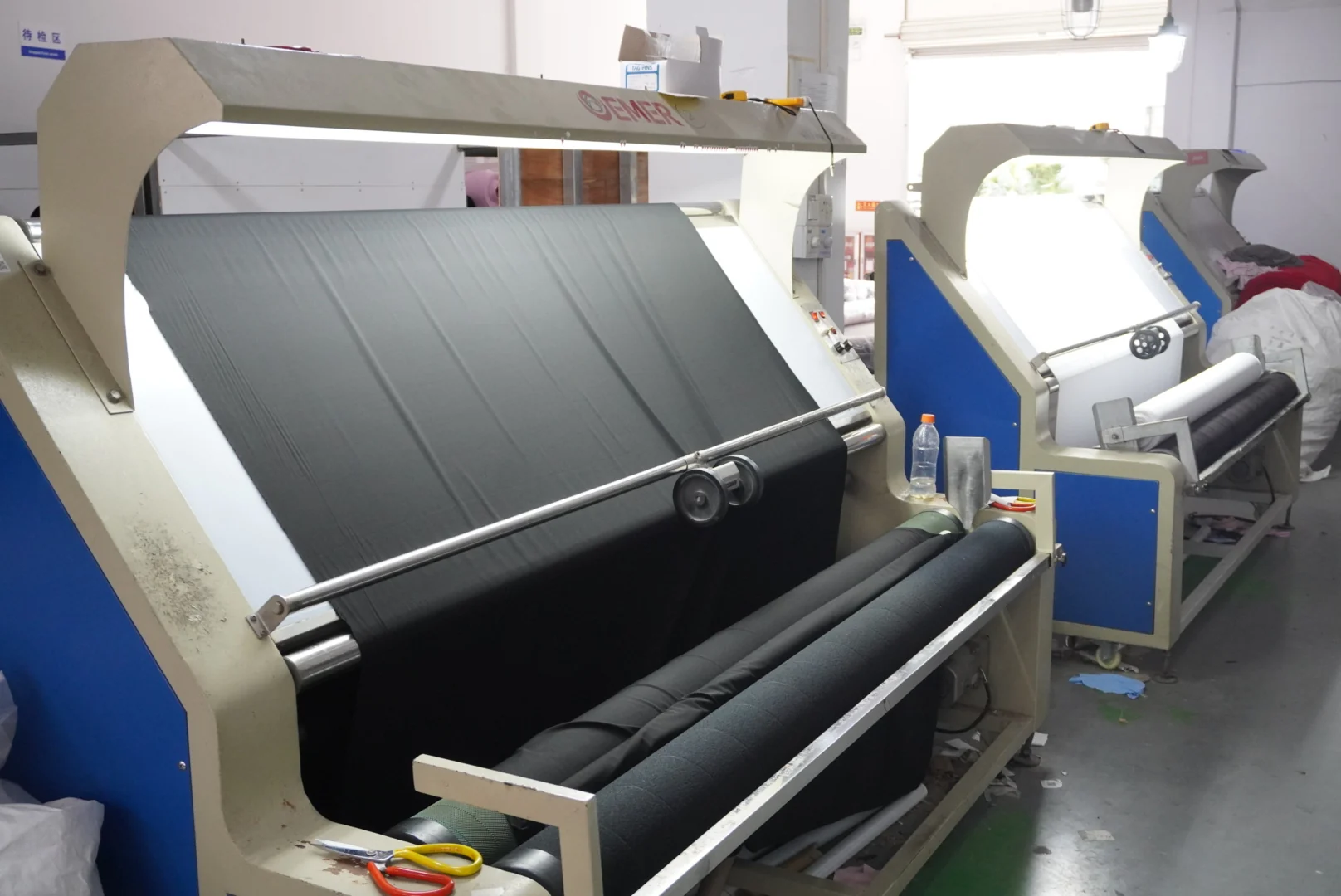
Approve Colour and Bulk Risk
Colour can affect appearance and sometimes hand feel. Confirm the colour standard, bulk tolerance and any testing needed for the target market.
- Lab dip or colour reference
- Light and dark opacity review
- Shade continuity expectations
- Required performance tests
Prepare the Next Conversation
Collect the product references, quantities, target market, timing and customization requirements that are already known. Mark flexible items clearly, then ask the supplier to identify missing decisions before sampling or quotation.