A useful factory review goes beyond product photos and the lowest quotation. The goal is to confirm whether the supplier can understand the product, expose risks early, produce a reviewable sample and carry approved requirements into bulk production.
Exact materials, quantities, testing, timing and production routes must be confirmed against the actual style and order.
Start With the Product You Need
Share intended use, target customer, silhouettes, quantity range, launch timing and the information already available. A suitable manufacturer should explain which decisions are fixed, which remain flexible and what must be tested through sampling.
- Relevant activewear construction experience
- A clear route from brief to sample
- Material and trim sourcing appropriate to the product
- Realistic MOQ and timing assumptions
Review Development and Communication
Ask who reviews drawings, measurements, materials and sample comments. Clear ownership matters because unanswered technical questions often become delays or uncontrolled changes later.
- One project contact with access to the technical team
- Written sample comments and approval versions
- Clear identification of open questions
- A defined process for quotations and revisions
Verify Production and Quality Evidence
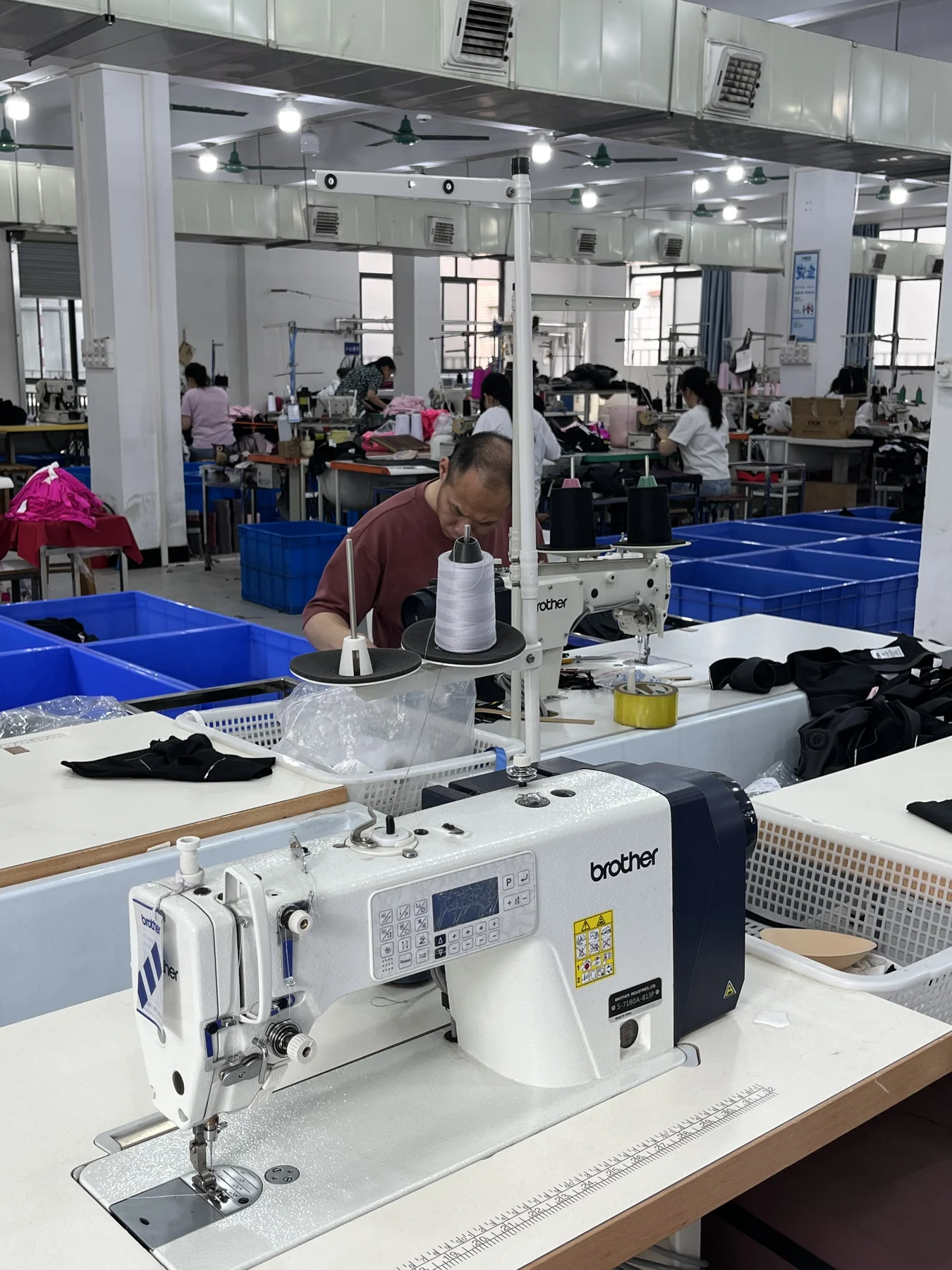
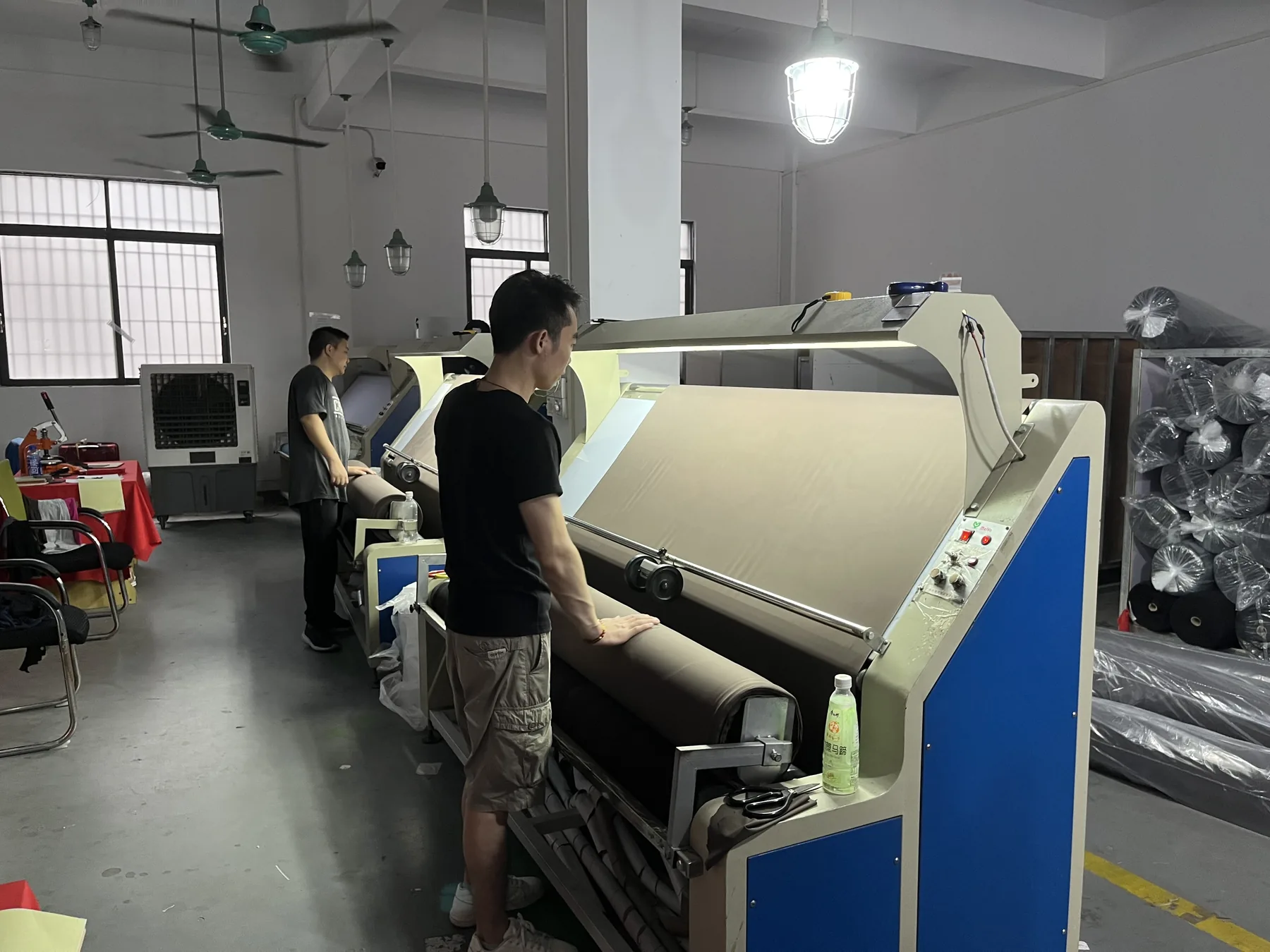
Look for current factory photographs, representative equipment, process records and inspection references. Evidence should match the factory and product route actually proposed for your order.
- Incoming material review
- Cutting and sewing preparation
- In-line and final inspection checkpoints
- Packing and shipment handoff records
Compare Like With Like
Two quotations are not comparable unless fabric, construction, branding, packaging, quantities and testing assumptions are aligned. Request clarification before treating a lower number as a saving.
- Fabric composition and weight
- Included trims and logo method
- Size and colour allocation
- Packing, testing and delivery scope
Prepare the Next Conversation
Collect the product references, quantities, target market, timing and customization requirements that are already known. Mark flexible items clearly, then ask the supplier to identify missing decisions before sampling or quotation.