Support is a product-development direction, not a medical promise. It depends on the interaction between pattern, coverage, straps, underband, material, cups, closures and the intended range of movement.
Exact materials, quantities, testing, timing and production routes must be confirmed against the actual style and order.
Begin With the Activity
Define the movement and wearer use case before discussing low, medium or higher support directions.
- Studio and low-impact movement
- Gym and mixed training
- Running and repeated vertical movement
- Lifestyle or all-day wear
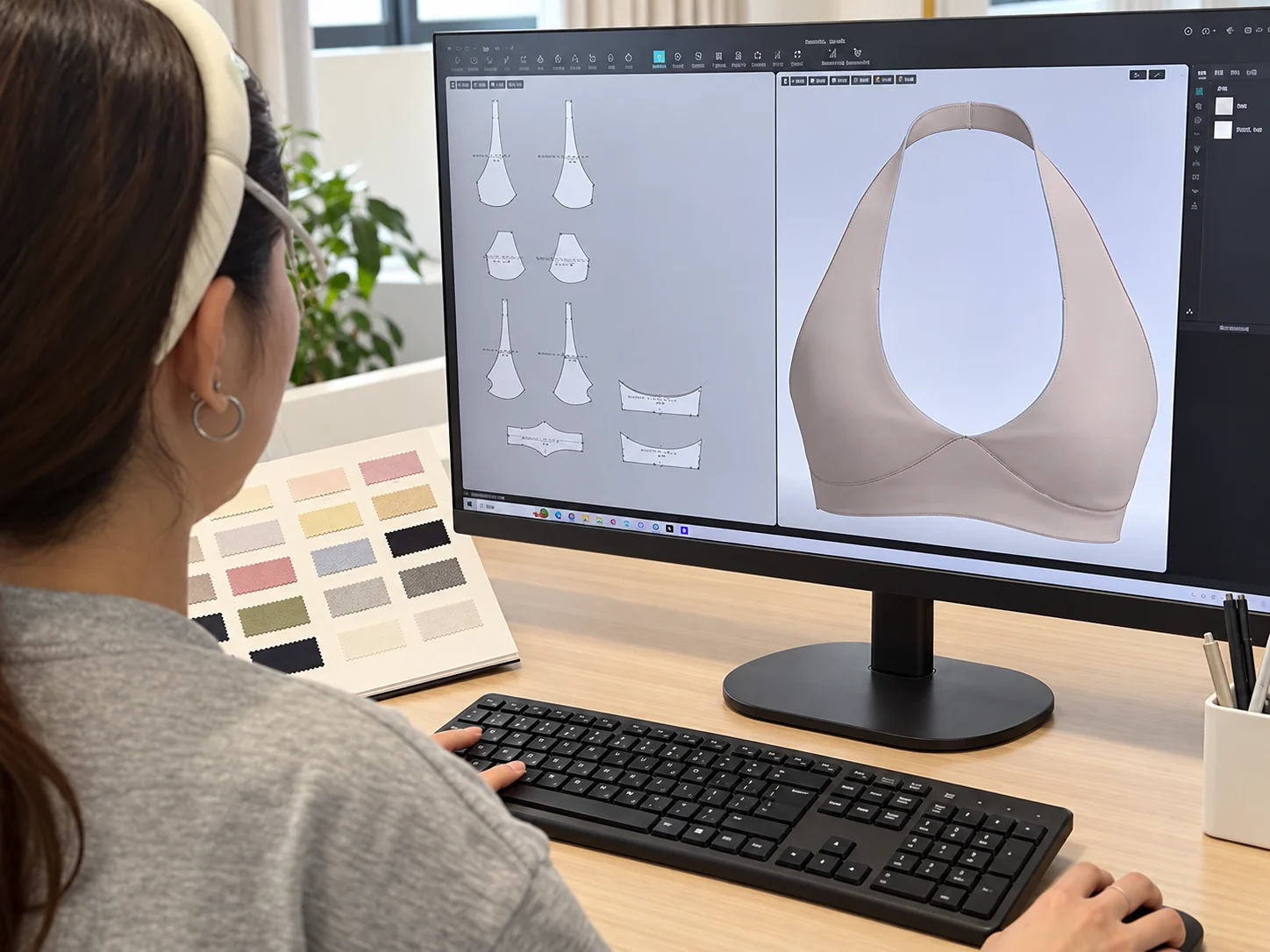
Review Structural Elements
Greater coverage alone does not guarantee support. The complete construction must work together.
- Underband width and stability
- Strap placement and adjustability
- Neckline and side coverage
- Back construction and closure
Material and Component Choices
Stretch, recovery, lining and cup construction affect comfort and control.
- Outer fabric recovery
- Power mesh or lining
- Removable or fixed cups
- Elastic specification and seam stability
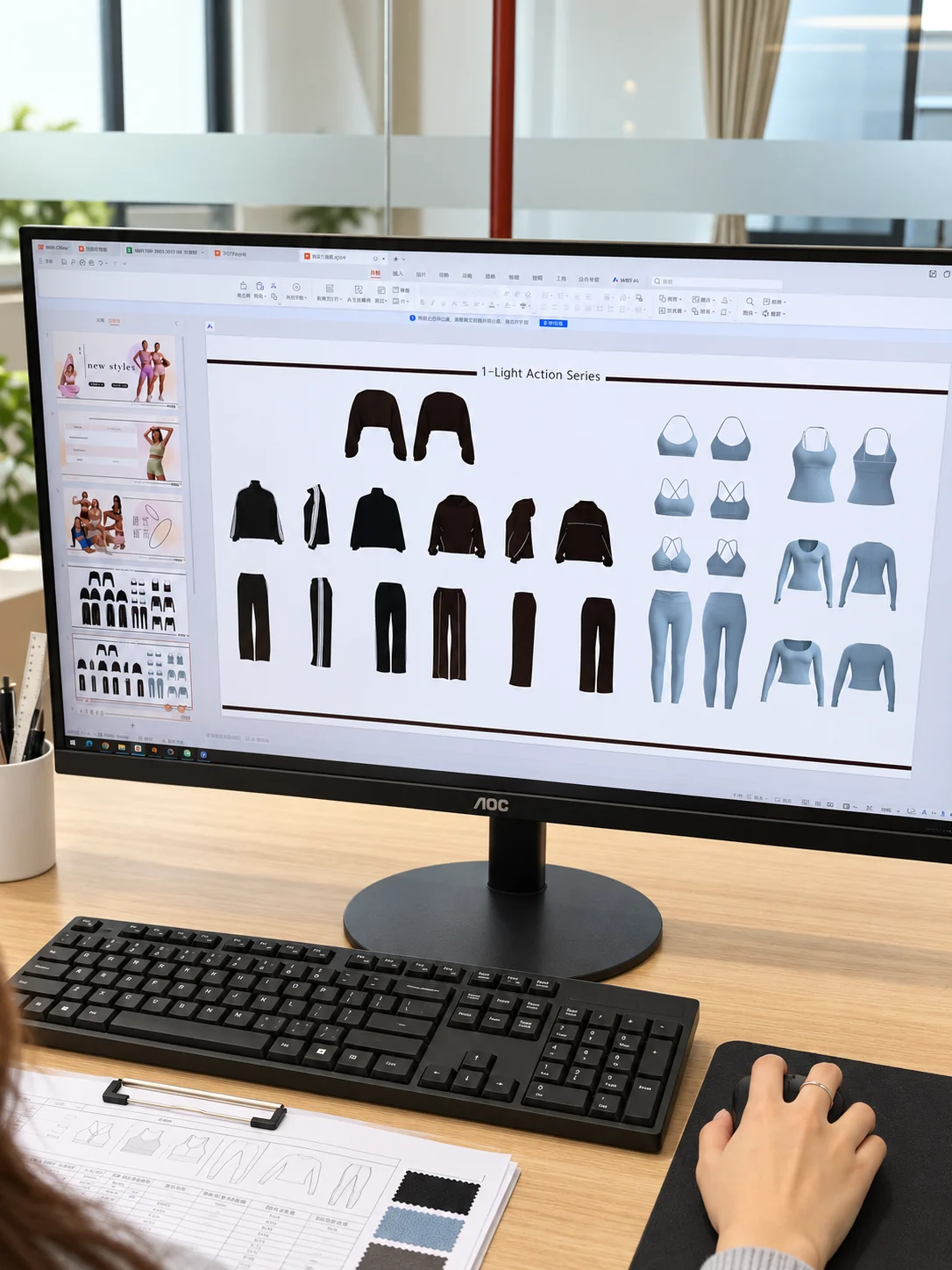
Evaluate the Sample
Fit assessment should consider different sizes and movement, with comments recorded against a defined sample.
- Band position
- Strap pressure
- Coverage during movement
- Seam comfort and garment recovery
Prepare the Next Conversation
Collect the product references, quantities, target market, timing and customization requirements that are already known. Mark flexible items clearly, then ask the supplier to identify missing decisions before sampling or quotation.