A logo method must suit the fabric, stretch zone, artwork, order quantity and care requirements. The best visual effect can fail if the application is too rigid for the garment location or is not tested on the actual fabric.
Exact materials, quantities, testing, timing and production routes must be confirmed against the actual style and order.
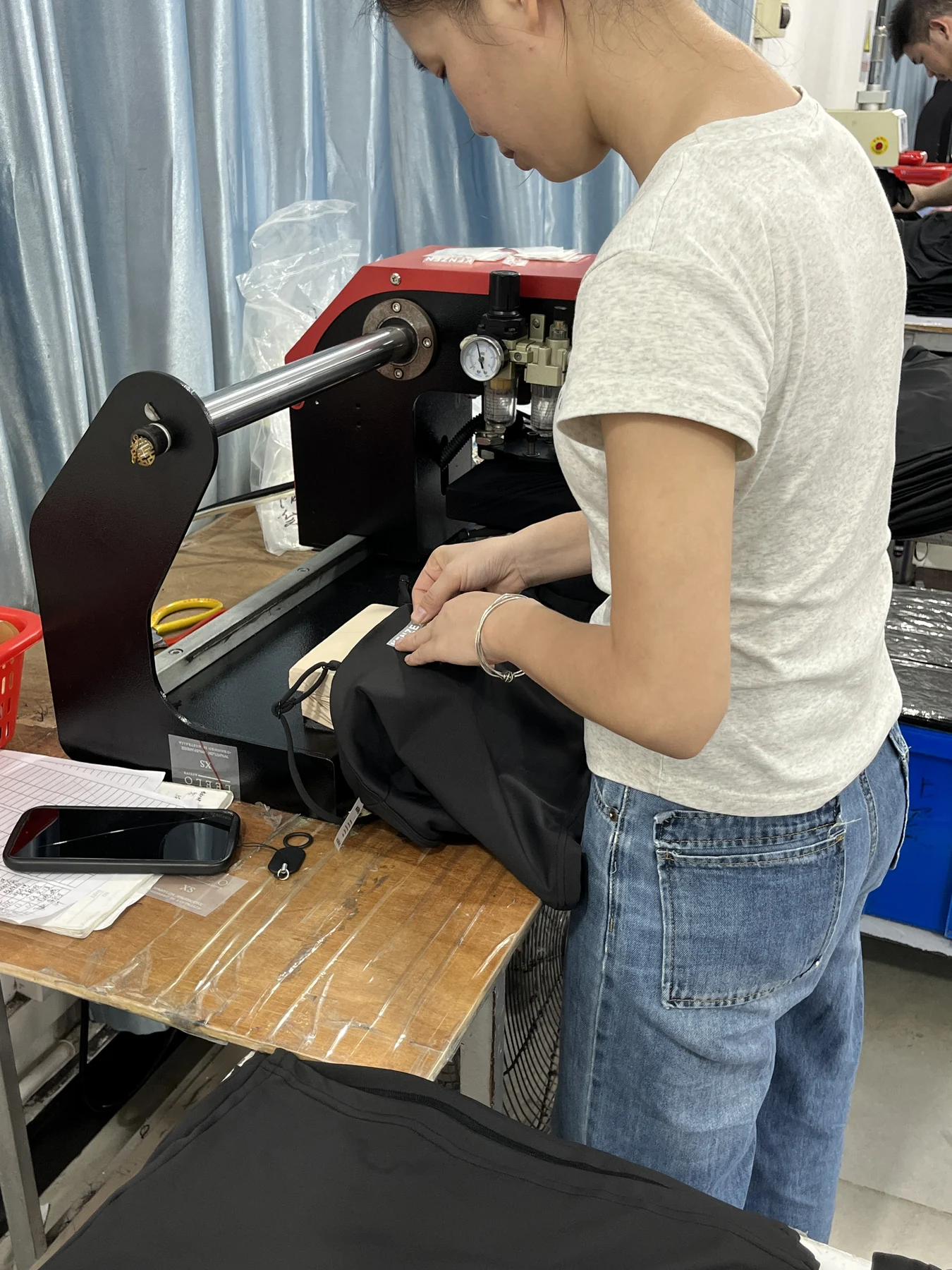
Heat Transfer
Heat-transfer logos can support fine artwork and multiple finishes. Temperature, pressure, dwell time and fabric sensitivity must be tested.
- Suitable for many smooth stretch fabrics
- Confirm stretch and wash behaviour
- Avoid high-strain placement without testing
- Approve colour and surface finish
Silicone and Raised Effects
Silicone or dimensional applications can create a premium tactile finish but may add weight and require specific tooling or minimum quantities.
- Review thickness and flexibility
- Confirm mould or setup cost
- Test edge adhesion
- Check garment packing pressure
Embroidery and Woven Labels
Embroidery creates texture but can restrict stretch or feel heavy on lightweight garments. Woven labels work well where a separate label construction is appropriate.
- Use stable garment locations
- Review backing and skin contact
- Confirm stitch density
- Test distortion after stretch
Approval Checklist
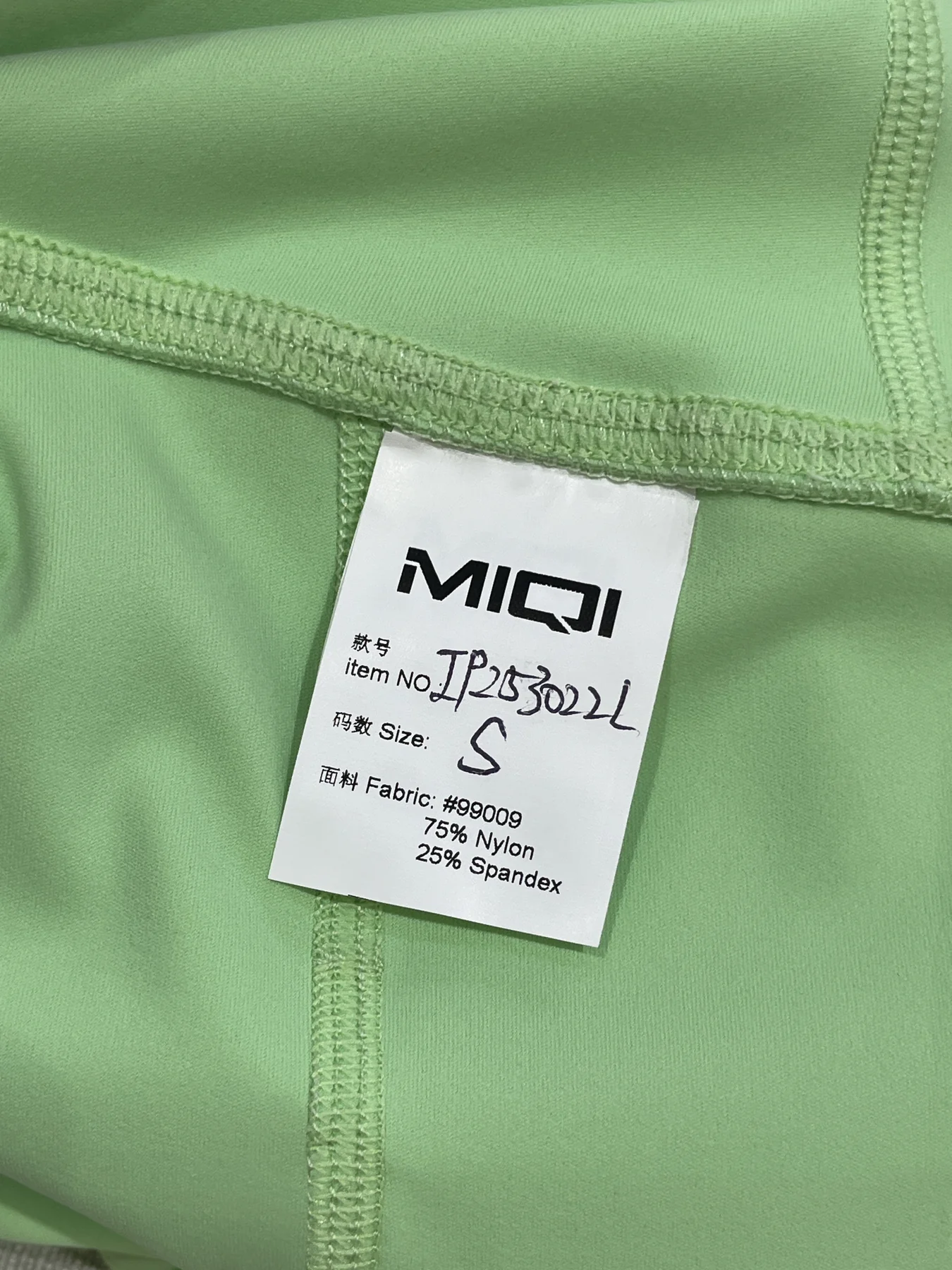
Always approve the logo on the intended fabric, colour and location rather than using an isolated artwork proof.
- Size and exact position
- Application colour
- Stretch and recovery
- Wash and appearance reference
Prepare the Next Conversation
Collect the product references, quantities, target market, timing and customization requirements that are already known. Mark flexible items clearly, then ask the supplier to identify missing decisions before sampling or quotation.