A useful tech pack reduces interpretation. It does not need to look elaborate, but it should connect every instruction to the correct product view, measurement point, material, colour and approval reference.
Exact materials, quantities, testing, timing and production routes must be confirmed against the actual style and order.
Product Identification
Give every style and version a clear identity so comments cannot be applied to the wrong file.
- Style name and code
- Front, back and detail drawings
- Intended use and target fit
- Version number and date
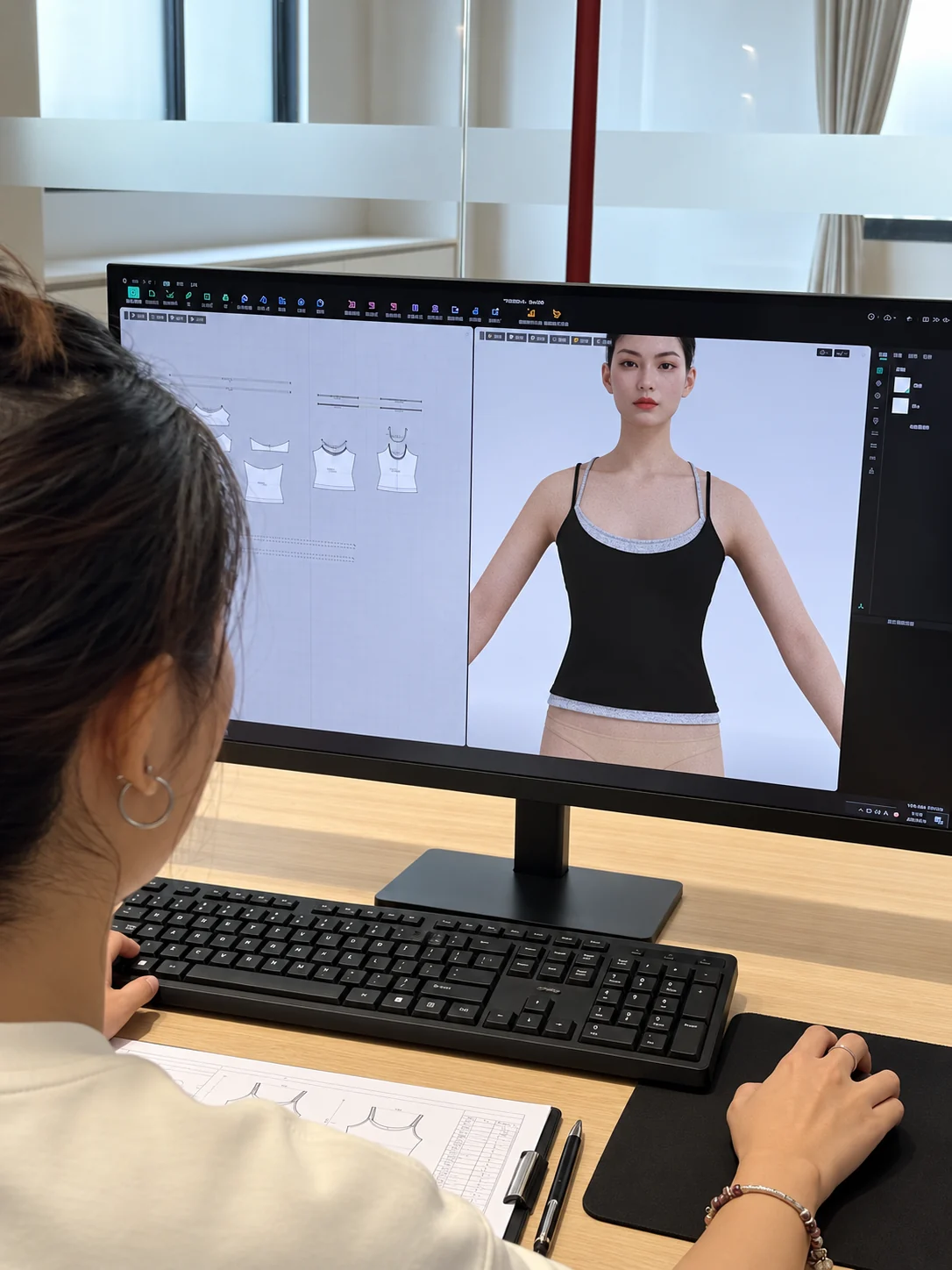
Measurements and Fit
Define how each point is measured and which size is used as the base. Include tolerances only after the construction and material route are understood.
- Point-of-measure diagram
- Base-size specification
- Grading direction
- Fit comments linked to sample versions
Construction and Materials
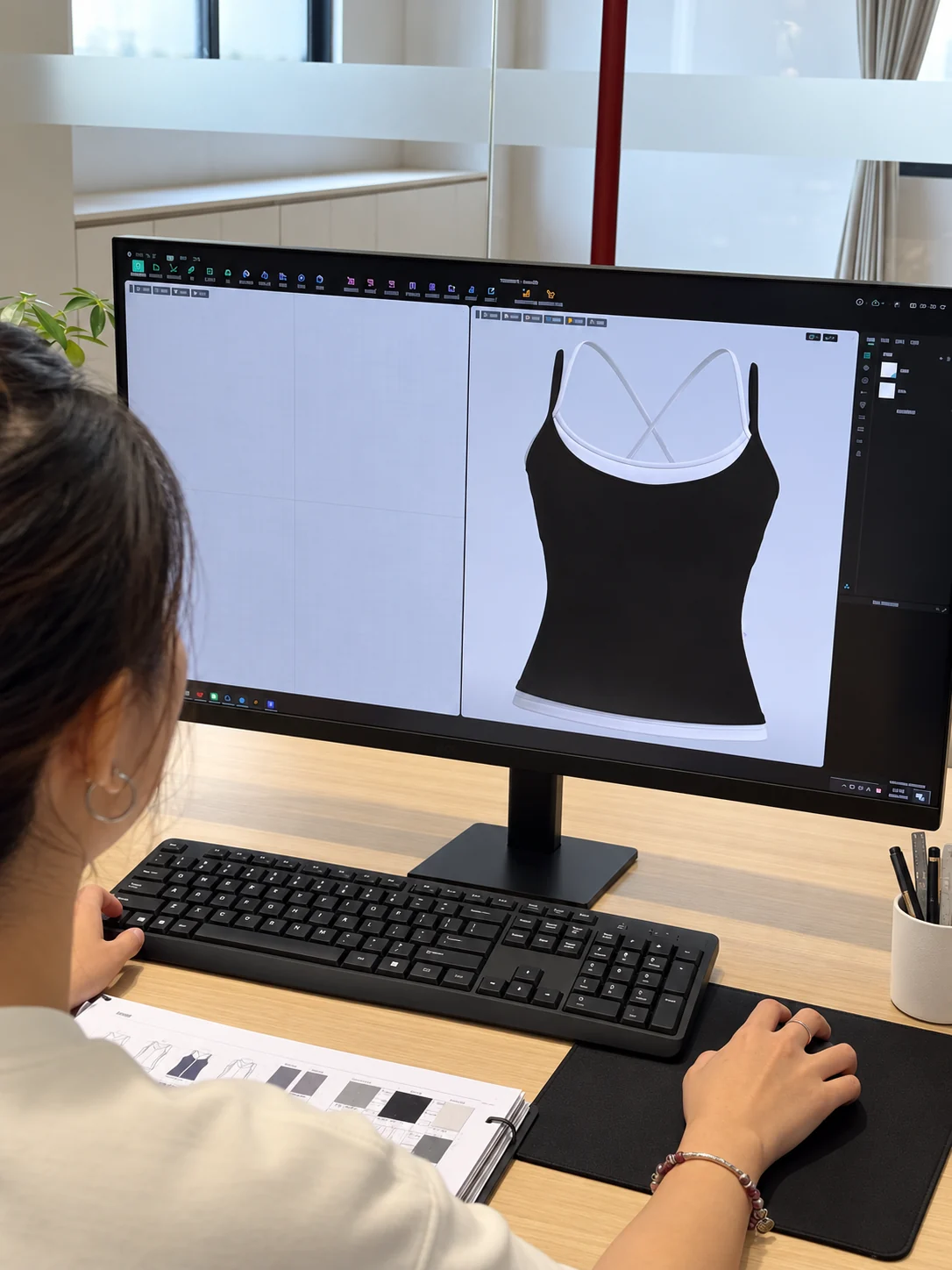
Show seams, finishes and components at the location where they apply.
- Fabric composition and weight target
- Lining, mesh, elastic, cups and trims
- Stitch and seam requirements
- Colour and trim references
Branding and Packaging
Artwork files and packing instructions should identify size, position, method and any market-specific information.
- Logo artwork and application method
- Main label, care label and size label
- Hangtags and barcodes
- Polybag, assortment and carton details
Prepare the Next Conversation
Collect the product references, quantities, target market, timing and customization requirements that are already known. Mark flexible items clearly, then ask the supplier to identify missing decisions before sampling or quotation.