B2B ACTIVEWEAR SOURCING ESSENTIALS
Plan the Order Before You Commit to Production.
MOQ, sample cost, unit price and lead time are connected to the actual product. MIQI helps activewear buyers organize the variables, approvals and checkpoints needed for a clearer sourcing decision.
MOQ DEPENDS ONStyle, fabric, colour and customization
PRICE DEPENDS ONConfirmed specification and quantity
TIMING DEPENDS ONApprovals, materials and production scope
01 / DEFINEClarify the Order BasisProduct, quantity, colours, sizes, market and timing.
02 / SAMPLEApprove the ProductReview material, measurements, fit and workmanship.
03 / PRODUCEControl the HandoffConnect the accepted reference with bulk production.
04 / DELIVERCheck & ShipConfirm quality, packing, documents and shipment route.
BUILD A USEFUL SOURCING BRIEF
Four Inputs Shape the Commercial Route.
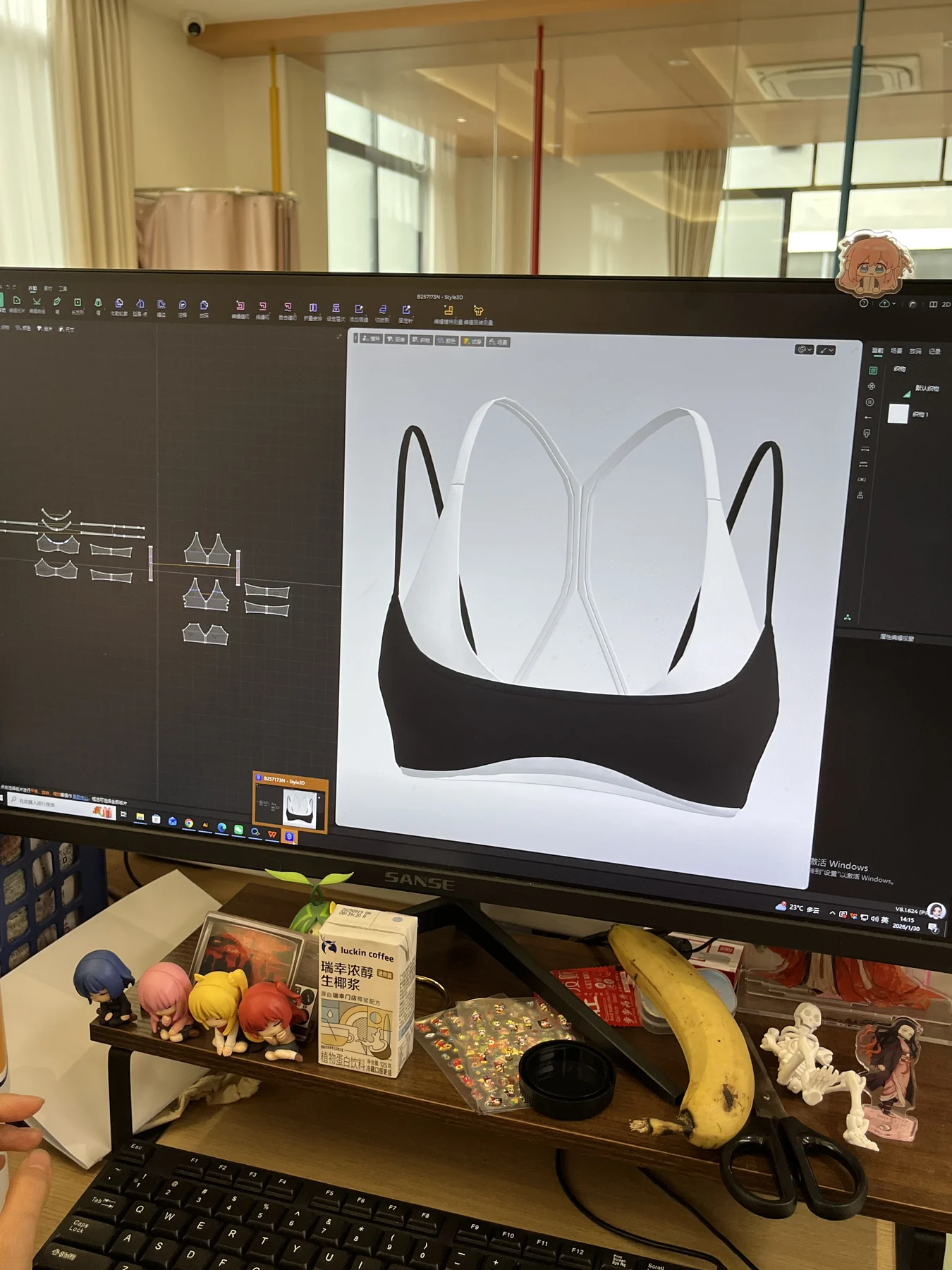
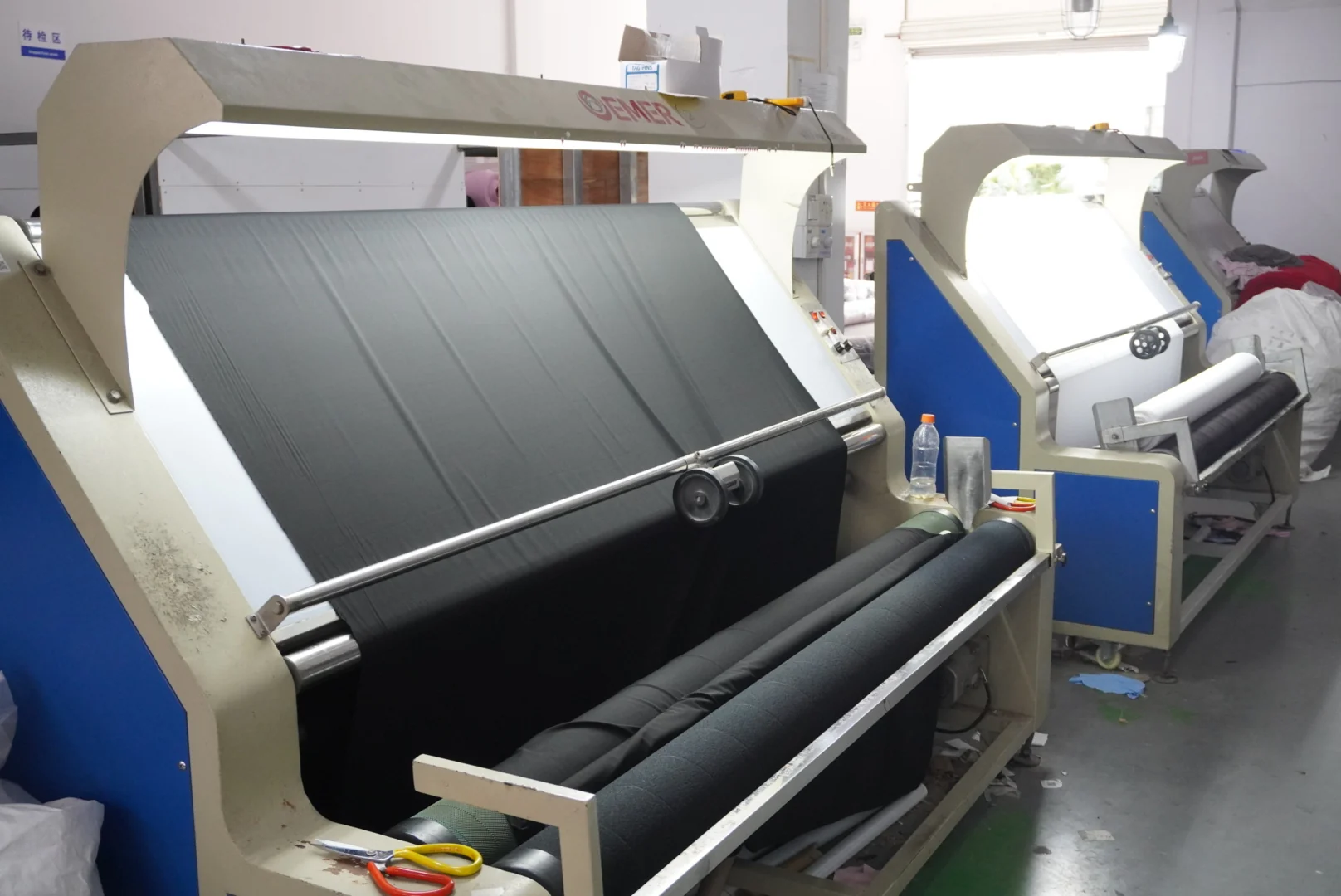
A unit price or production schedule only becomes meaningful when the underlying product and order assumptions are clear. Organizing these inputs early helps buyers compare options and understand what may change the quotation.
THE SIX SOURCING ESSENTIALS
Questions to Resolve Before Placing an Order.
These factors are related. Changing the fabric, colour count, customization or quantity can affect MOQ, price, sampling and timing.
MOQ Basis
Minimum quantities depend on the style, fabric route, colour count, trims, branding, packaging and production setup.
Sampling Route
Sample type, materials, revisions and approval requirements determine the development scope and schedule.
Quotation Basis
Unit price is calculated against the confirmed specification, quantity, materials, construction and customization.
Lead-Time Factors
Material readiness, sample approval, production planning, custom components and order size all influence timing.
Quality Checkpoints
Measurements, workmanship, appearance and packing checks should be linked to approved references.
Delivery Requirements
Destination, packing, assortment, carton marks, documents and shipping terms should be clarified early.
A VISIBLE SOURCING ROUTE
From Material Readiness to Shipment Handoff.
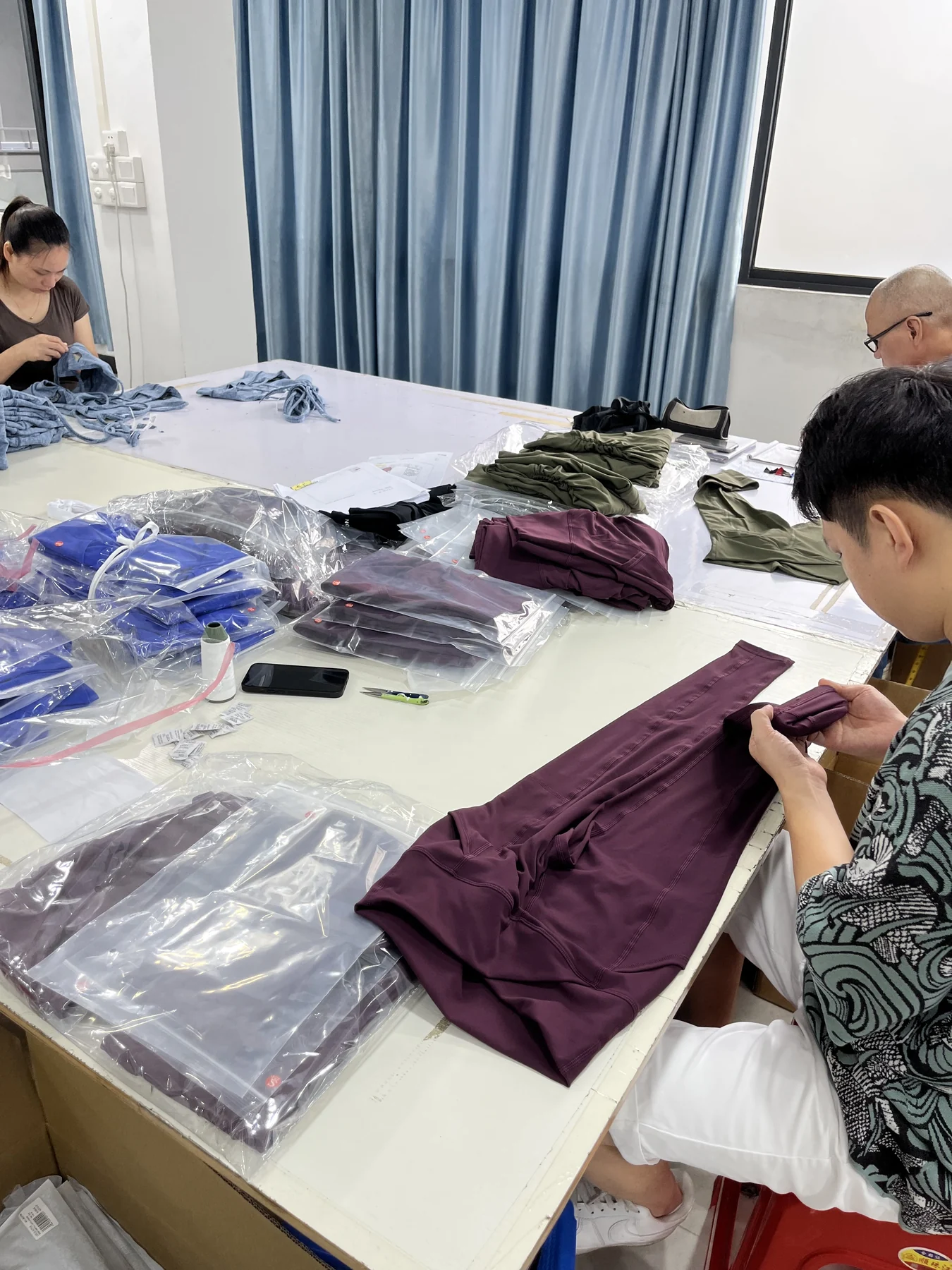
A sourcing plan becomes more useful when buyers can connect commercial decisions with the physical material, packed order and loading stages behind them.
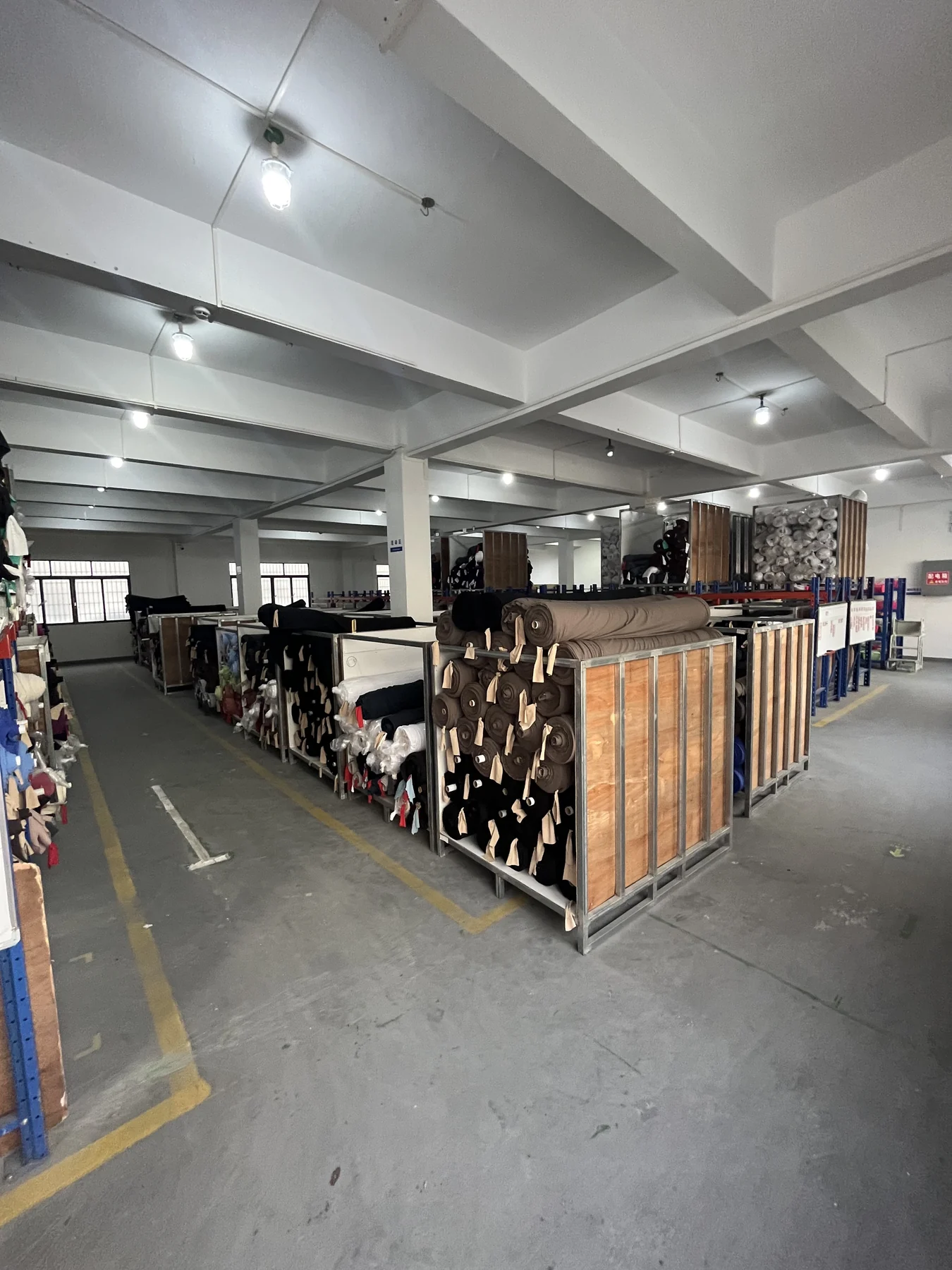
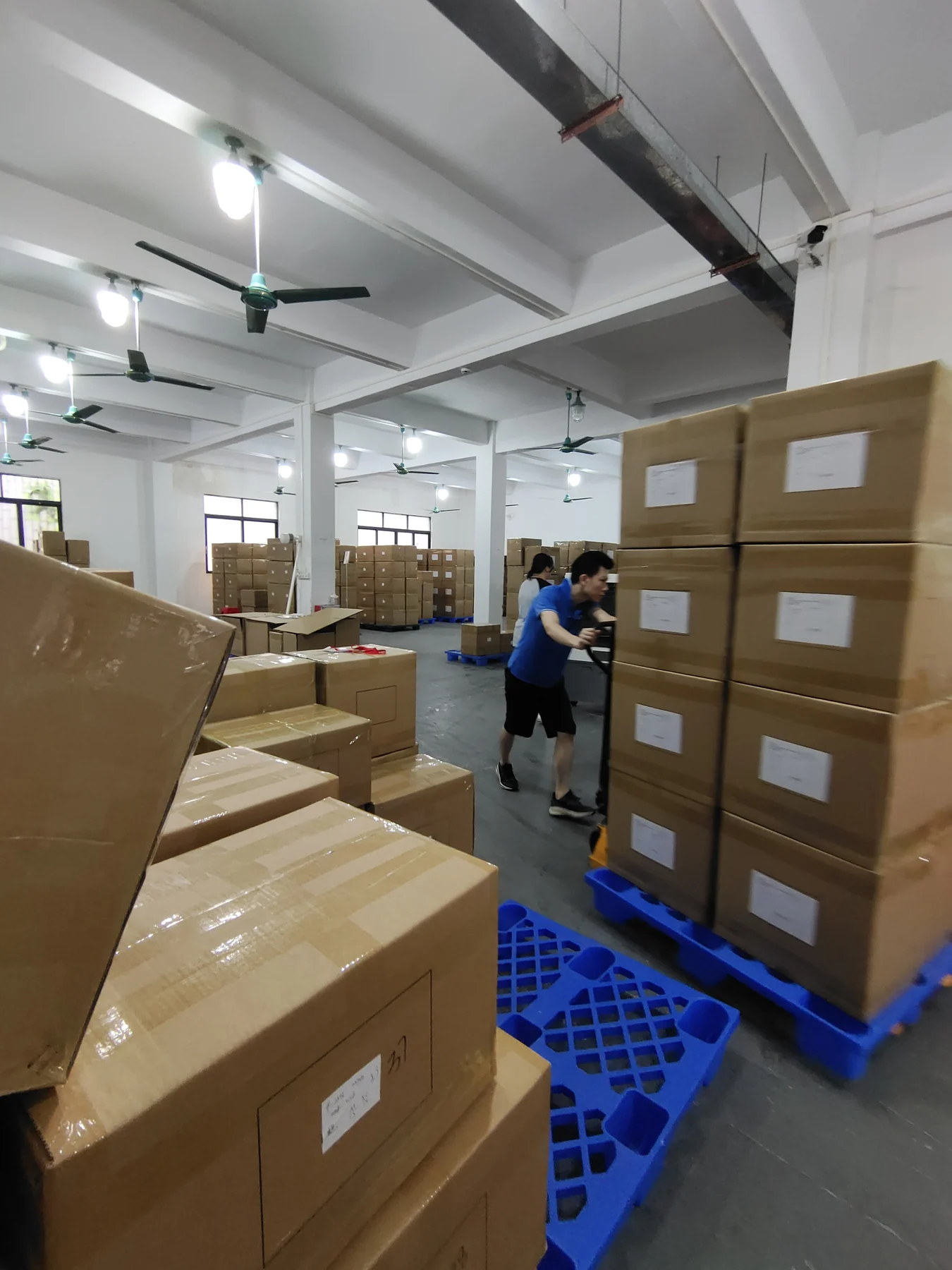
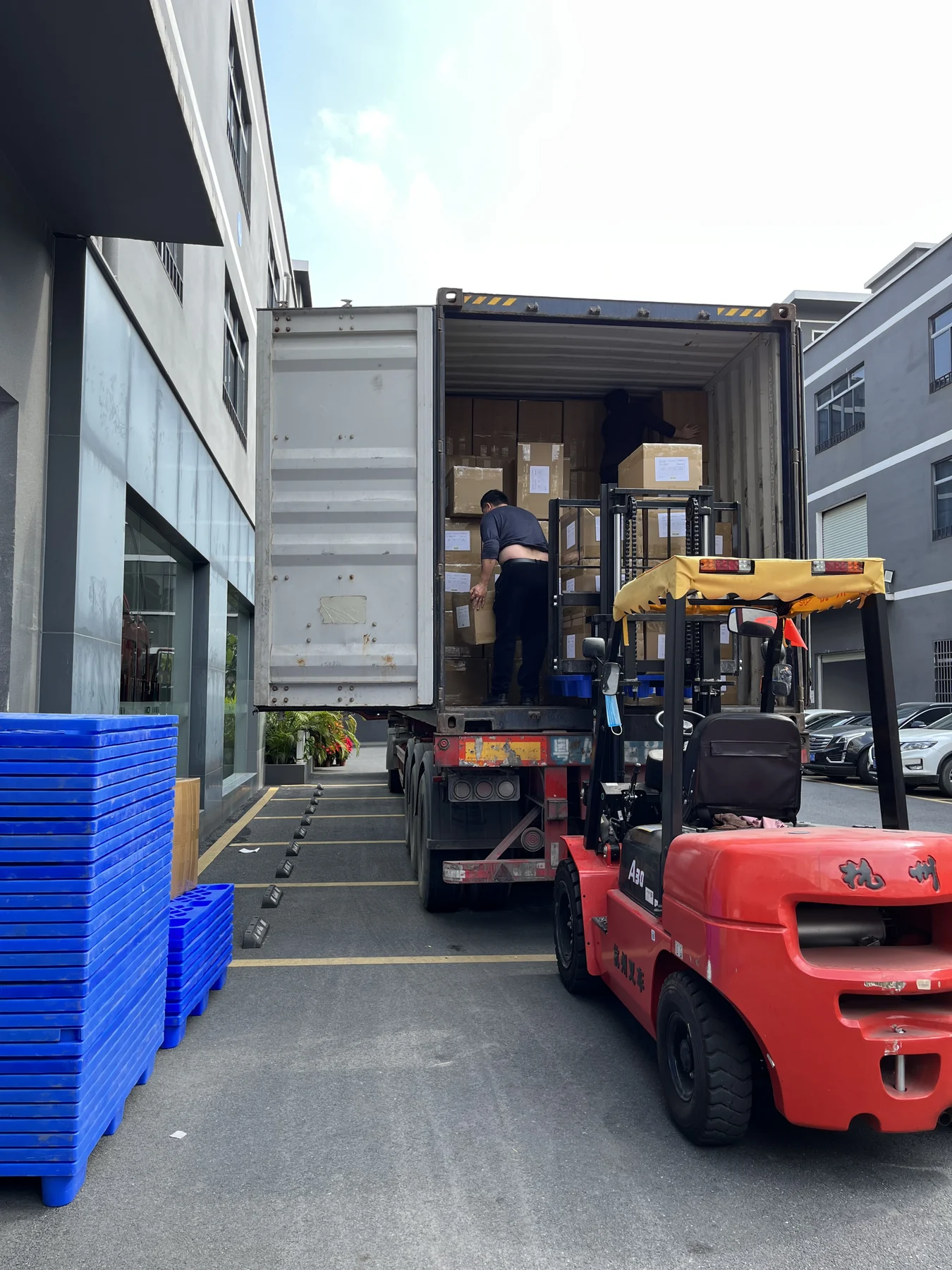
These images show distinct real stages. Timing, quantities, shipping terms and required documents remain project-specific.
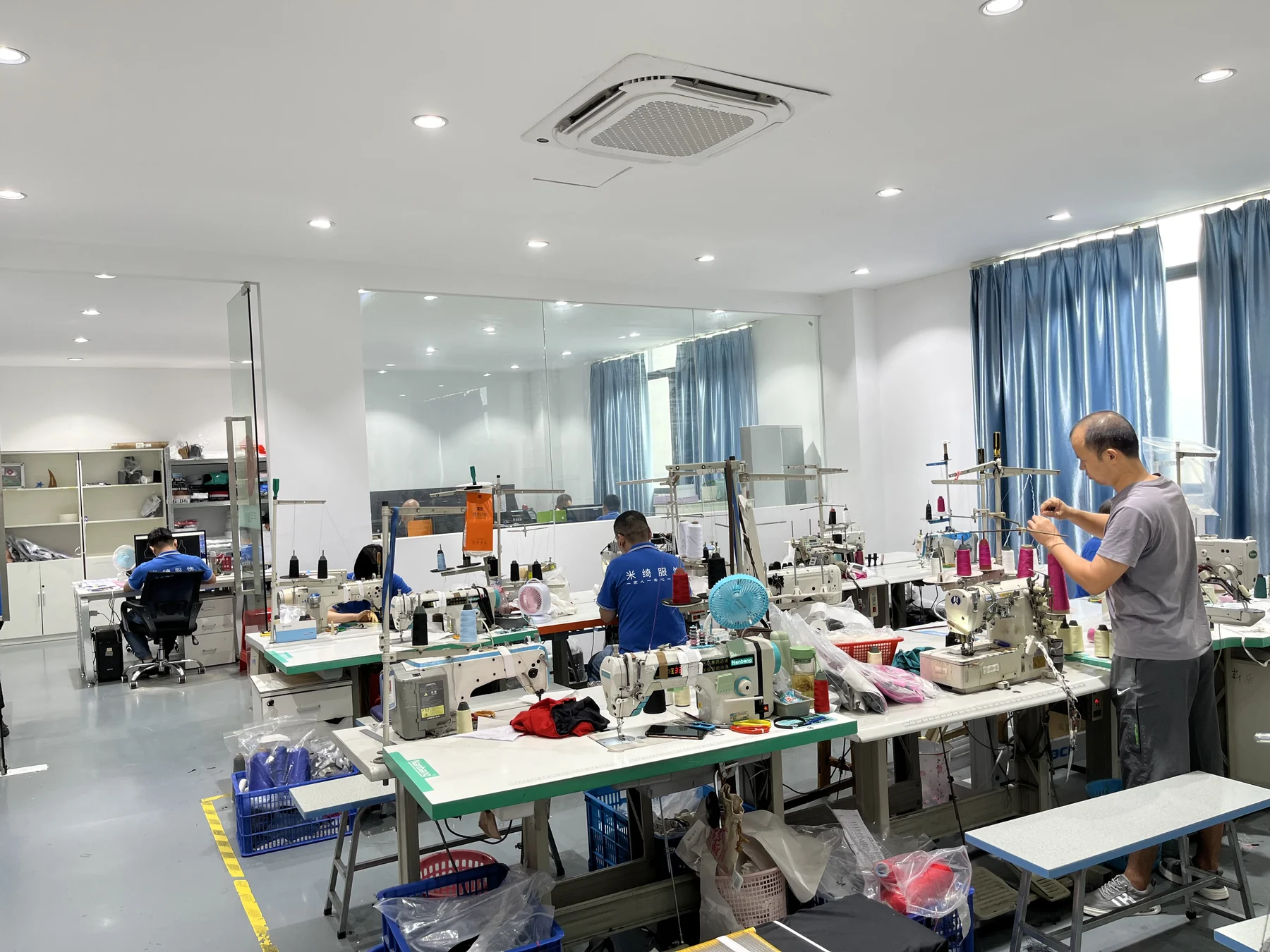

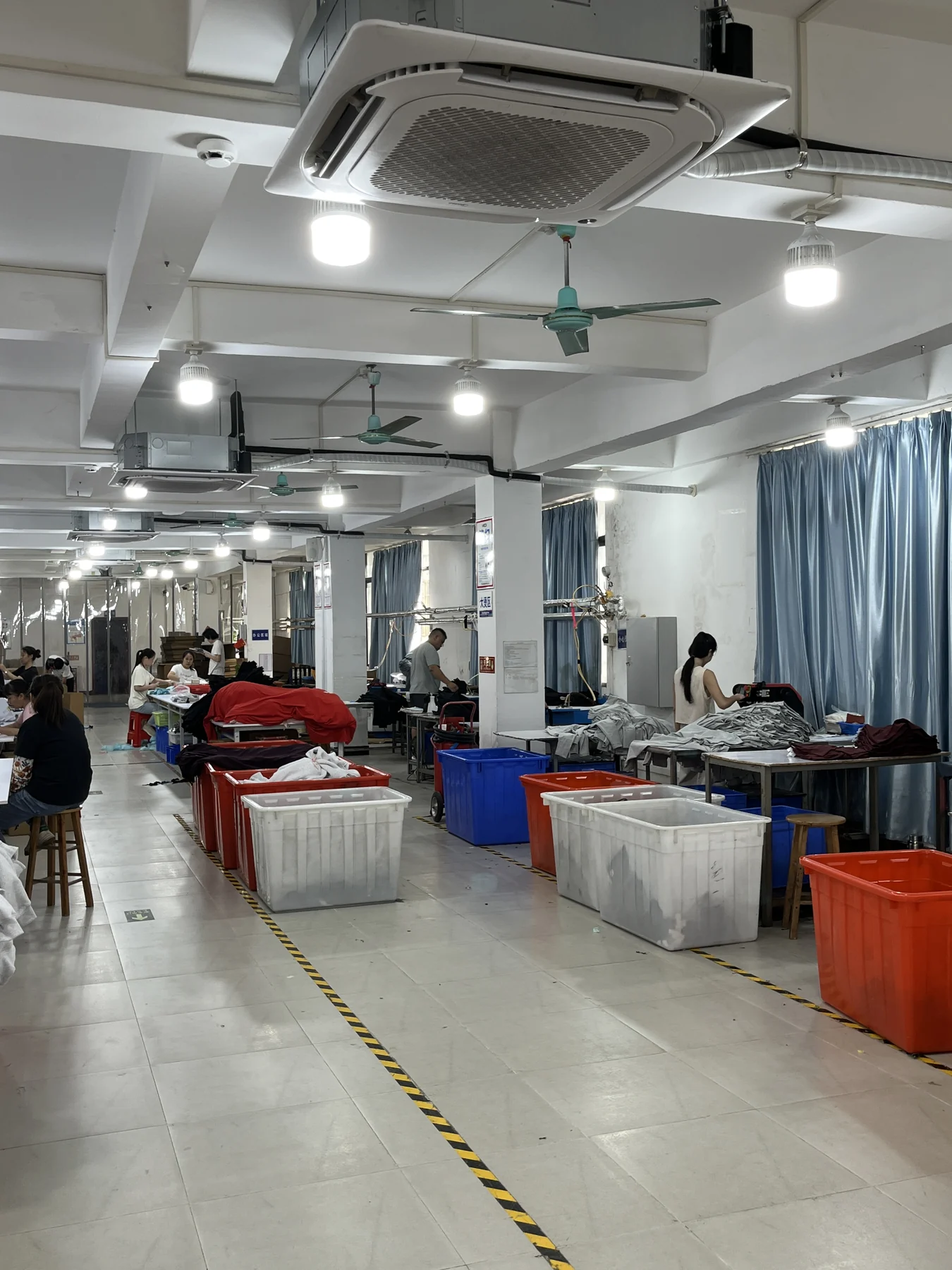
ORDER DECISION PATH
Move From Estimate to Confirmed Order Basis.
Early numbers can be directional. Each checkpoint replaces assumptions with approved product and commercial information.
01
Share the Initial BriefProvide product references, quantity, target market, price direction and timing.
02
Review FeasibilityCheck materials, construction, customization, MOQ factors and open decisions.
03
Develop & Approve the SampleConfirm fit, measurements, workmanship and the visual direction.
04
Reconfirm Commercial DetailsLock the order structure, price basis, production scope and expected timing.
05
Approve Bulk HandoffConnect product, quality, packing and shipment requirements to the order.
BUYER CHECKLIST
Information That Makes a Quote More Useful.
You can begin with estimates. Mark what is fixed and what remains flexible so the factory can identify assumptions and possible alternatives.
Tech pack, sketch, reference garment, photos or a clear product description.
Stretch, recovery, hand feel, weight, coverage, colour and finish direction.
Units by style and colour, size range, expected mix and future volume direction.
Destination, required date, packaging, inspection and shipping expectations.
WHAT A REVIEW SHOULD CLARIFY
A Commercial Direction You Can Evaluate.
The final offer depends on the agreed scope. A useful review makes the main assumptions visible instead of presenting a retail-style fixed price without context.
Product Basis
The style, construction, customization and reference used for the evaluation.
Material Basis
The selected or assumed fabric, colour and key trim direction.
Order Basis
The quantity, colour count, size range and packing structure behind the offer.
Timing & Checkpoints
The expected approval sequence, production route and delivery assumptions.
SOURCING ESSENTIALS FAQ
Questions Buyers Ask Before Ordering.
Final MOQ, sample cost, unit price and lead time are confirmed against the actual product and order requirements.
Why does MOQ vary between products?
MOQ can be affected by fabric minimums, dyeing or colour setup, custom trims, logo methods, packaging components and production efficiency. The style quantity and total order structure should be reviewed together.
Is the sample price the same as the bulk unit price?
No. Sample work is normally evaluated separately because it includes development, individual material preparation and low-volume workmanship. The bulk unit price is based on the confirmed specification and order quantity.
When can the final unit price be confirmed?
The price becomes more reliable after fabric, construction, colour count, customization, packaging and quantity are clear. Any later change to those assumptions may require the quotation to be updated.
What determines production lead time?
Lead time depends on material availability, sample and colour approval, custom component purchasing, production planning, order size, quality requirements and the agreed shipment route.
Can we arrange third-party inspection?
Yes, inspection requirements can be discussed before order confirmation. The inspection stage, scope, acceptance basis, booking responsibility and any related cost should be agreed in advance.
REVIEW YOUR ORDER BASIS
Start With the Information You Have.
Send your product reference, material priorities, estimated quantities, target market and timing. We can identify the missing decisions and review a practical sourcing route.