Buttery-Soft Studio
Comfort-led directions for yoga leggings, bras and fitted tops where softness, smooth recovery and second-skin feel matter.
CUSTOM FABRIC × COLOUR DEVELOPMENT
Explore yoga wear fabric directions, performance priorities and colour development with a manufacturing partner. We help turn your product brief into options that can be reviewed, sampled and approved before bulk production.
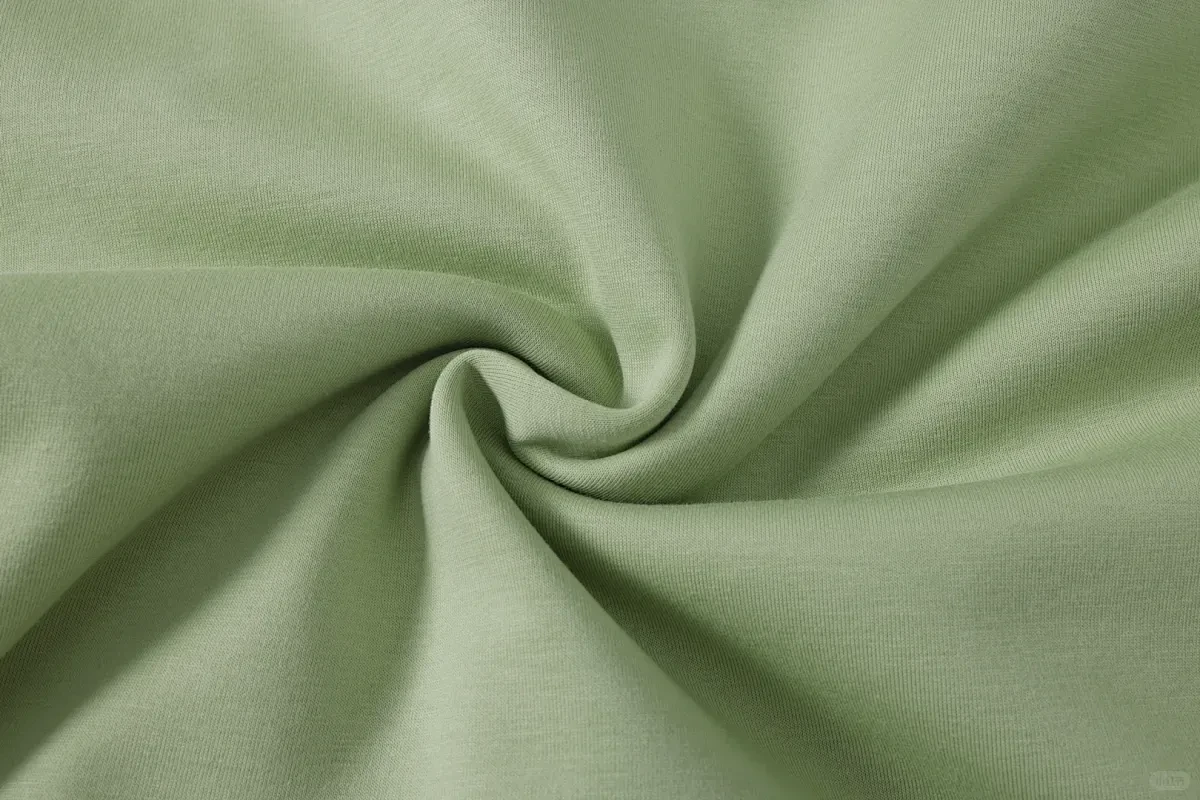
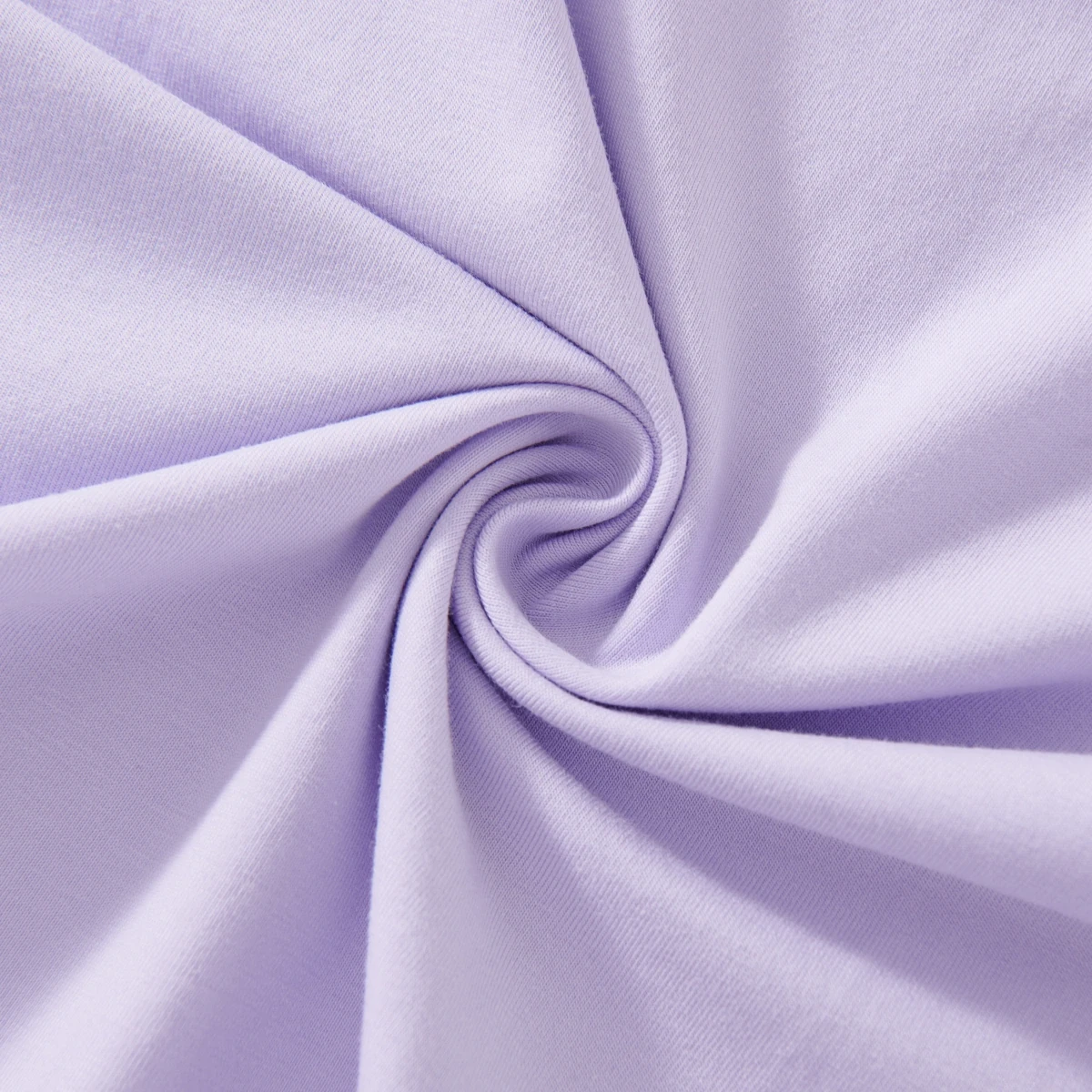
FABRIC DIRECTION
Instead of choosing by composition alone, define the intended use, hand feel, support and price position. We can then shortlist suitable fabric routes for sampling.
Comfort-led directions for yoga leggings, bras and fitted tops where softness, smooth recovery and second-skin feel matter.
More supportive directions for gym sets and compression styles, balancing hold, recovery, coverage and durability.
Lighter options for warm-weather training, tennis and padel pieces where airflow, mobility and fast drying are priorities.
Selected knit or woven directions for jackets, hoodies and layers where drape, body, surface finish and seasonality lead.
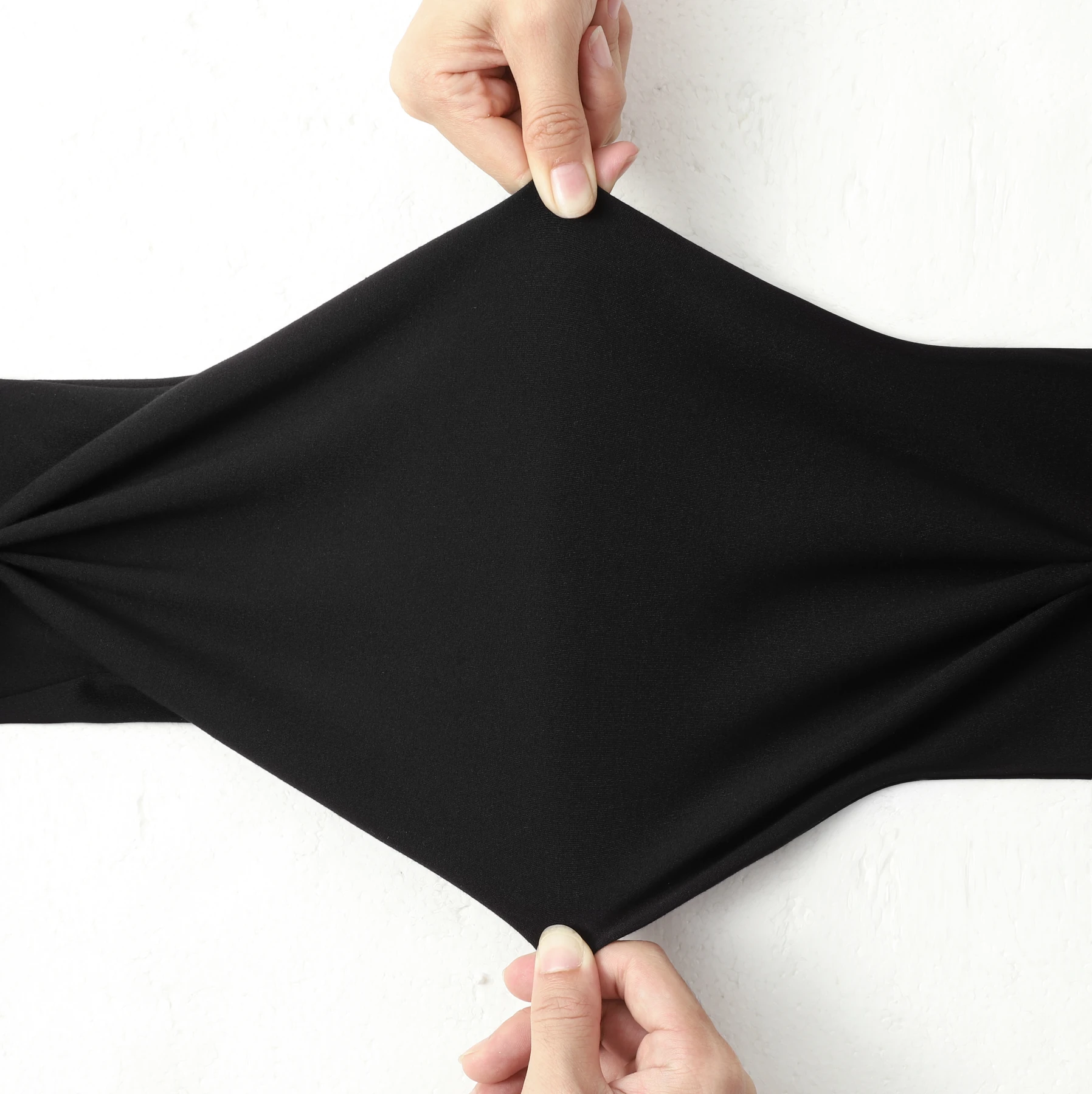


PERFORMANCE PRIORITIES
Final claims should be based on the approved fabric, agreed construction and relevant test method. The brief below helps define which points require physical review or testing.
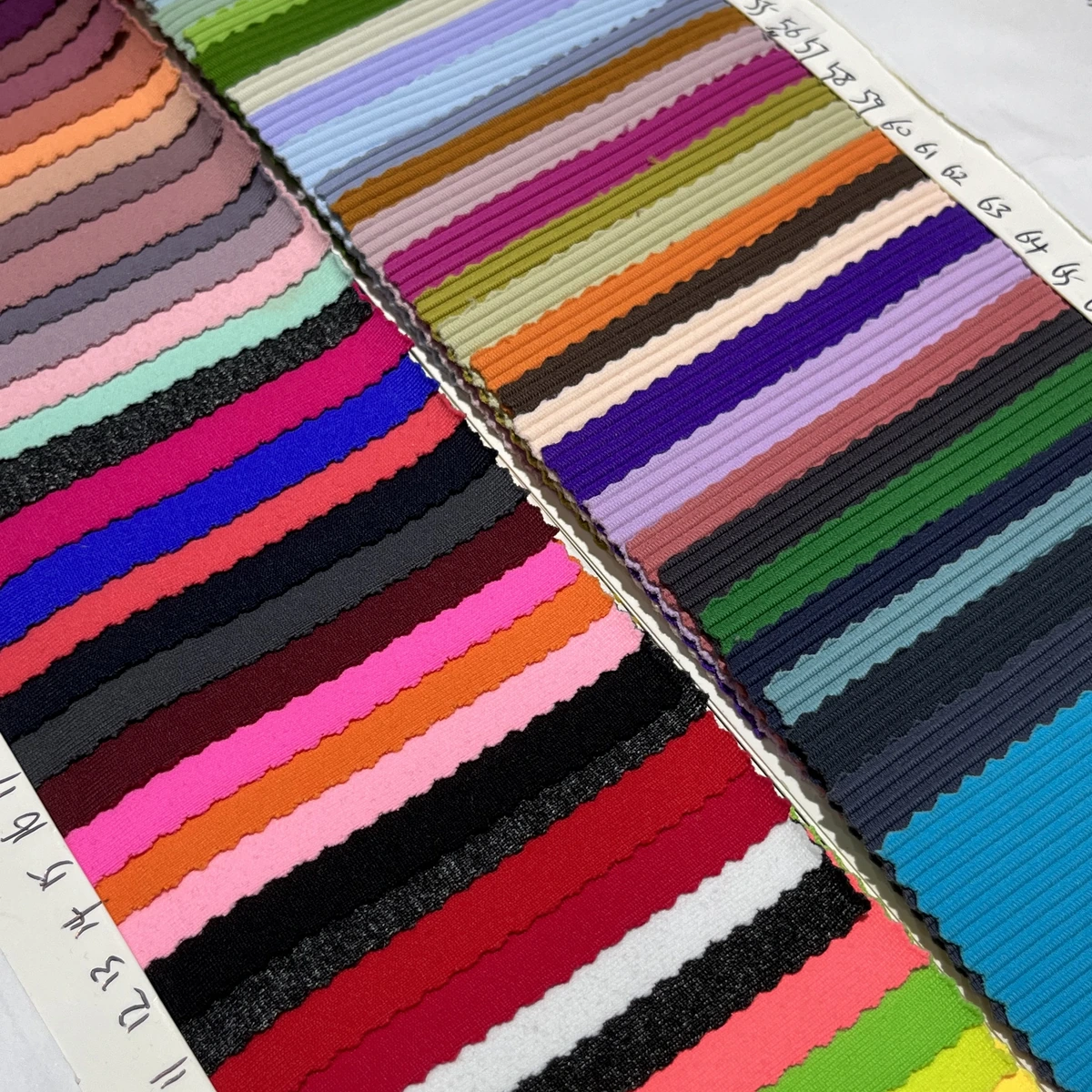 COLOUR REFERENCE
COLOUR DEVELOPMENT
Share a Pantone reference, colour chip, sample garment or mood board. The suitable route depends on the selected fabric, order basis and whether stock colour or custom dyeing is used.
REAL MATERIAL REFERENCES
Real fabric storage, colour tools and material references give buyers a clearer basis for comparing construction, shade and hand feel before garment sampling.
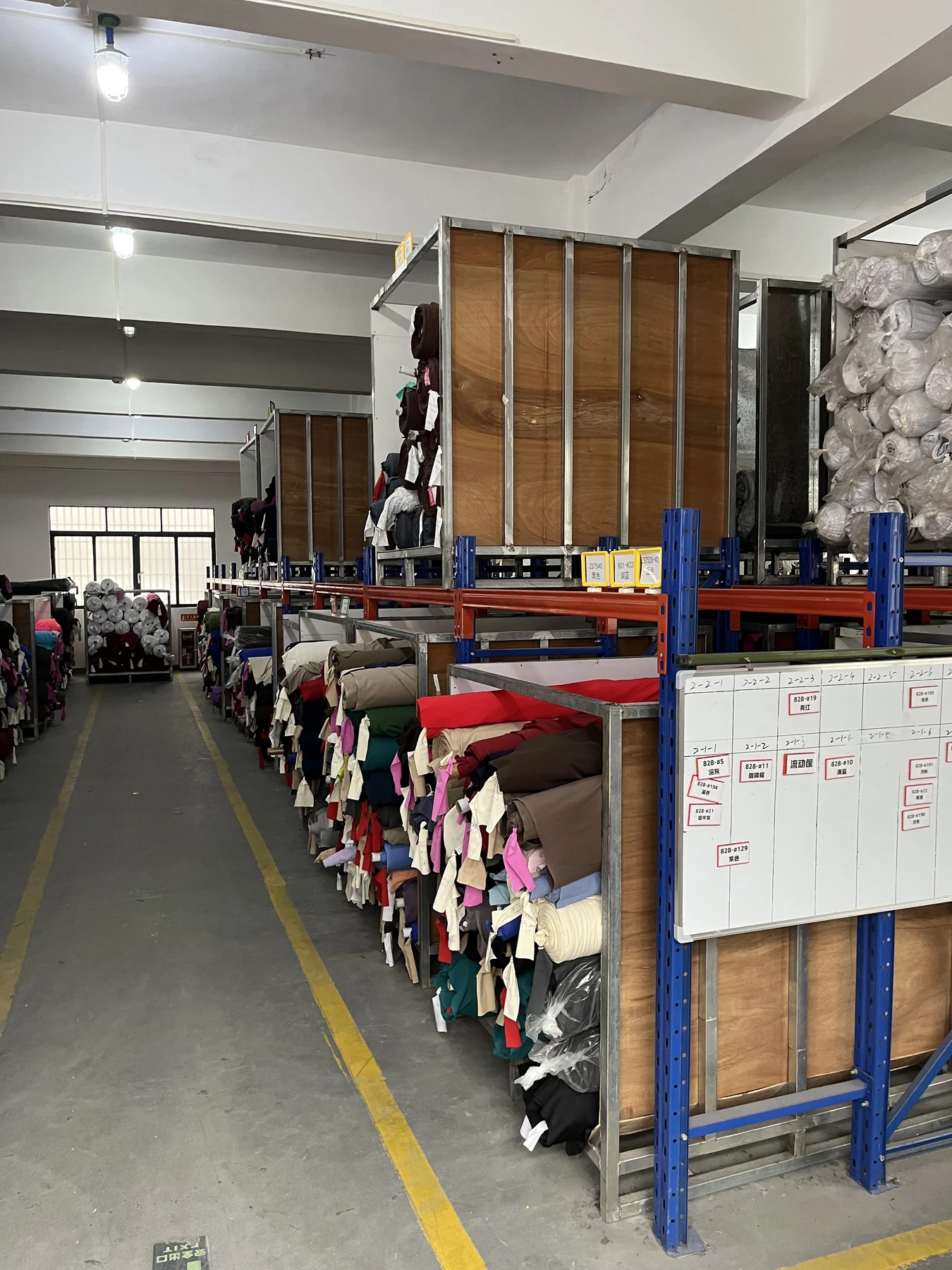
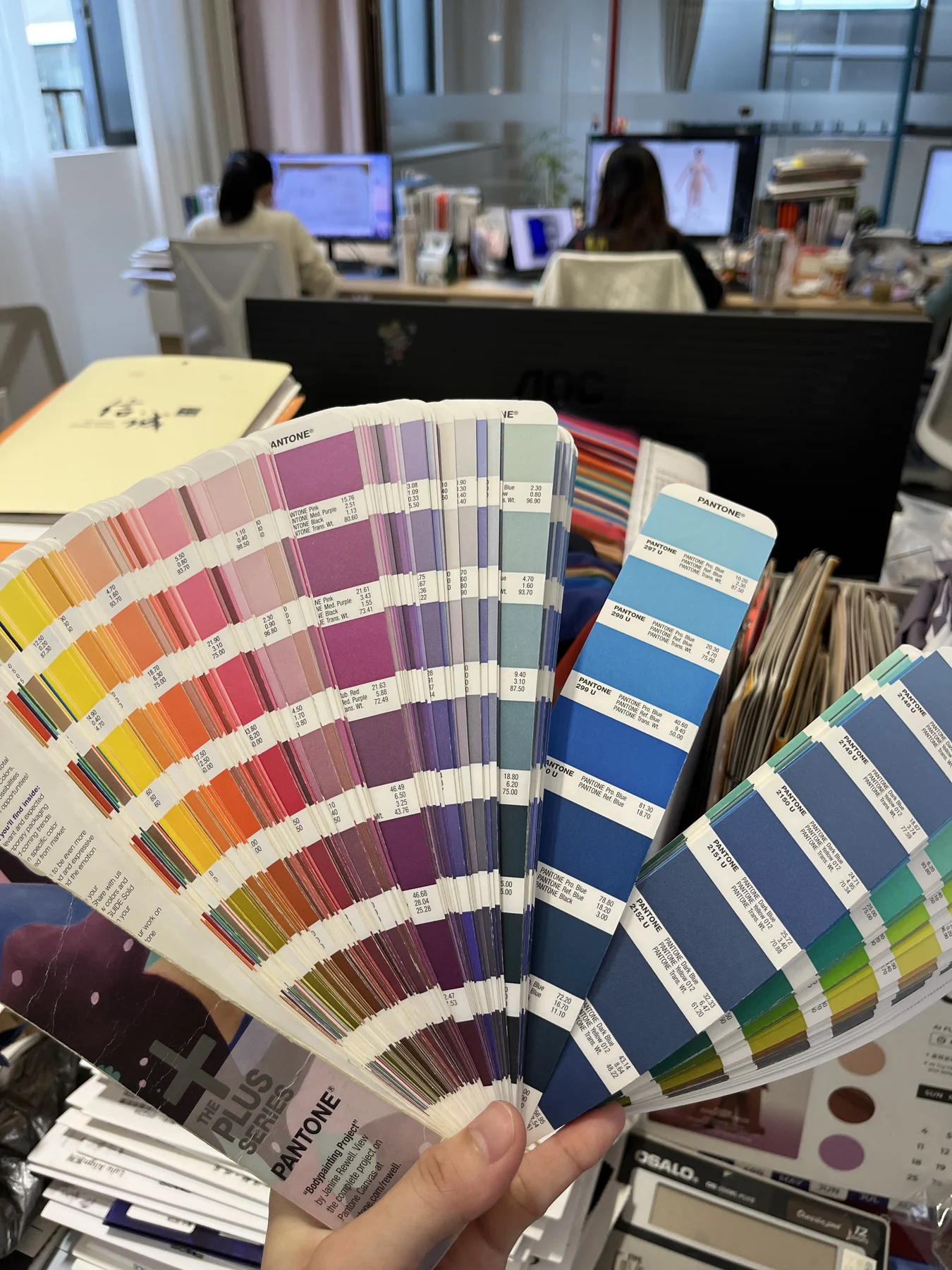
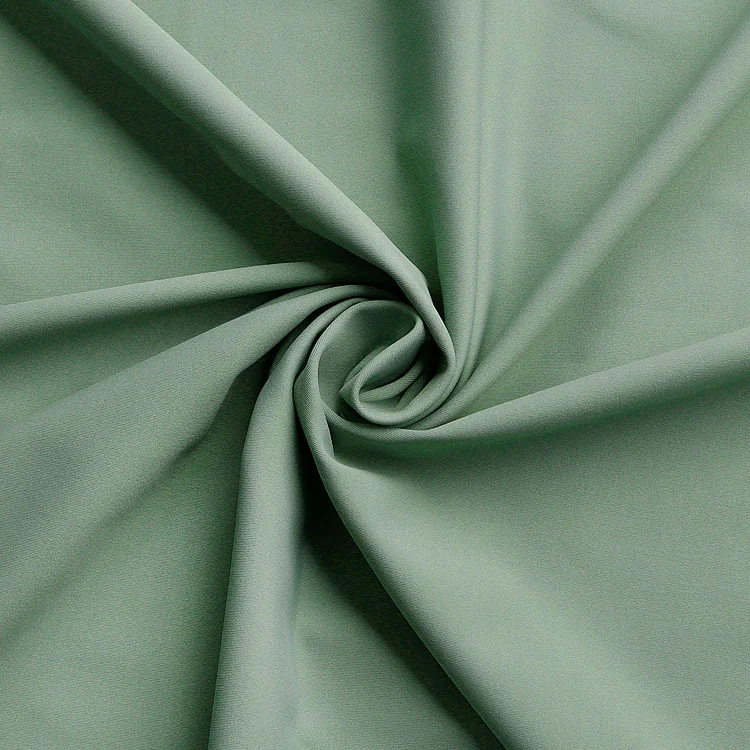
Images show real working references and material directions. Final availability, colour and performance are confirmed for each project.
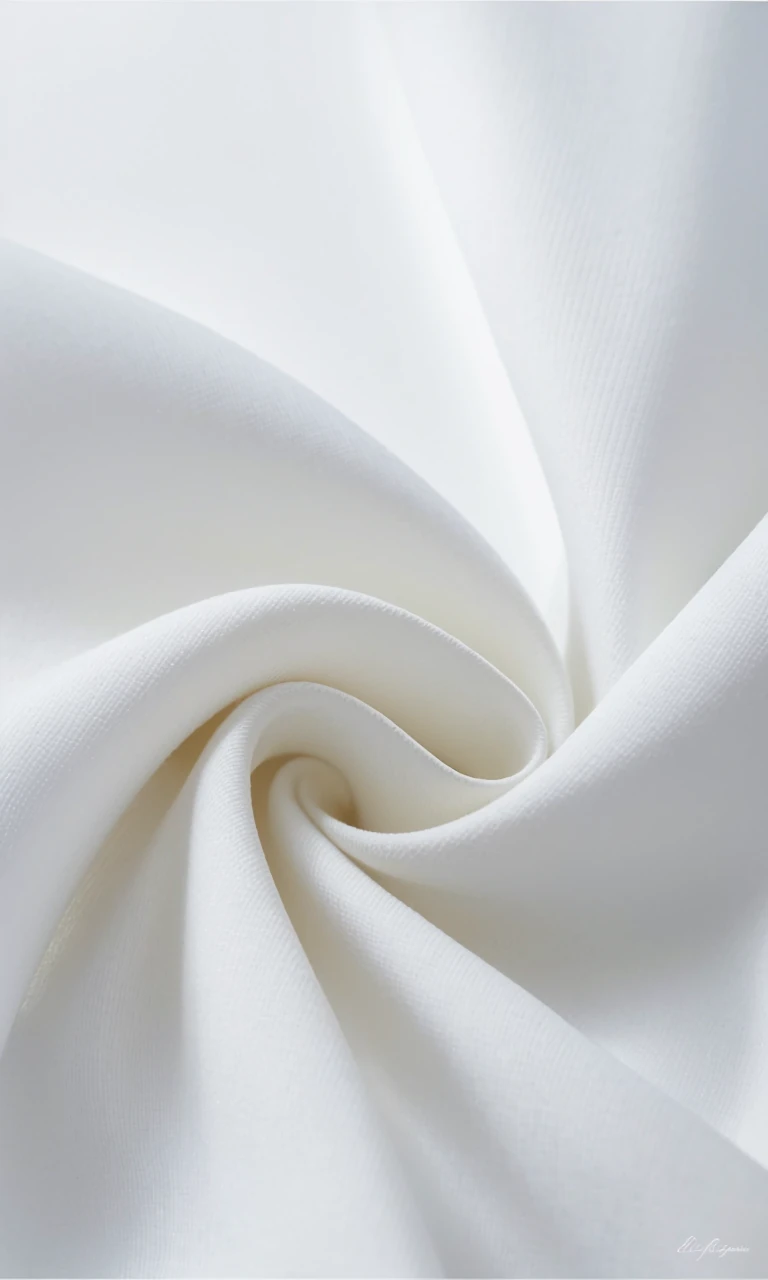
MATERIAL MOODBOARD
These visuals show possible aesthetic directions. Final fabric performance, colour and garment fit are confirmed through physical sampling.

APPROVAL WORKFLOW
Each checkpoint reduces avoidable surprises. The exact steps depend on whether the project uses an available fabric, a stock colour or a custom-developed option.
Share garment type, target use, hand feel, performance priorities, colour direction, target price and estimated quantity.
Review available directions by composition, weight, construction, finish, colour route and commercial suitability.
Check physical hand feel and colour. Define any required testing before the garment sample is approved.
Assess fit, stretch, recovery, opacity, support, seams and appearance on the actual style.
Record the approved fabric, colour, trims and tolerances, then coordinate bulk quality checkpoints.
RESPONSIBLE MATERIAL ROUTES
Organic, recycled and regenerated-cellulose directions can be explored when they suit the product. Availability, composition, MOQ, certification scope and claim wording must be confirmed for the selected supply route.
A natural-fibre direction for selected lifestyle, studio and layering products, subject to construction and supplier availability.
A recycled-content route that can be assessed for performance, stretch, colour and documentation requirements.
A regenerated-cellulose direction for soft hand feel and drape where it fits the garment’s intended use.
Check the named supplier, certificate scope, validity and transaction requirements before publishing a sustainability claim.
REVIEW AVAILABLE DOCUMENTS ↗BUYER CHECKLIST
A practical checklist for European and North American activewear sourcing teams.
Confirm fibre content, nominal GSM, construction and finishing route against the approved sample.
Review the fabric on the garment and in movement, especially for leggings and high-stretch styles.
Agree relevant test methods and acceptance criteria based on product use and destination requirements.
Approve physical references under agreed lighting and define how bulk shade variation will be assessed.
Stock colours and custom dyeing may have different minimums, costs and timing. Confirm per selected fabric.
Verify any composition, recycled-content or performance claim against the relevant project documents.
FABRIC & COLOUR FAQ
Answers are directional because the exact result depends on the selected fabric, garment construction, order basis and agreed test requirements.
View the full FAQ →Yes. A reference garment, fabric cutting or detailed brief can help communicate hand feel and performance. The closest suitable route should still be confirmed through a physical swatch and garment sample.
A Pantone reference can guide development, but appearance changes with fibre, construction, finish and lighting. Approval should be based on a physical lab dip or fabric swatch, with an agreed tolerance for bulk production.
They can. Custom dyeing may require a fabric-specific minimum and adds development and approval steps. Stock colours may offer a more flexible route. Confirm the basis after selecting the fabric.
Opacity should be reviewed on the actual garment, in the chosen colour and size, during movement. Fabric weight alone does not determine the result; stretch, knit construction, colour and fit all matter.
Relevant options may be discussed according to the project. The applicable supplier documentation, transaction scope and claim wording should be checked before any public sustainability claim is made.
Include garment type, target use, desired hand feel, performance priorities, composition preference, target GSM, colour references, estimated quantity, target price and destination-market requirements.
START YOUR FABRIC BRIEF
Send your reference style, target use, preferred hand feel, colour direction and estimated order quantity.